Rome
Home Page
Previous Page
Next Page
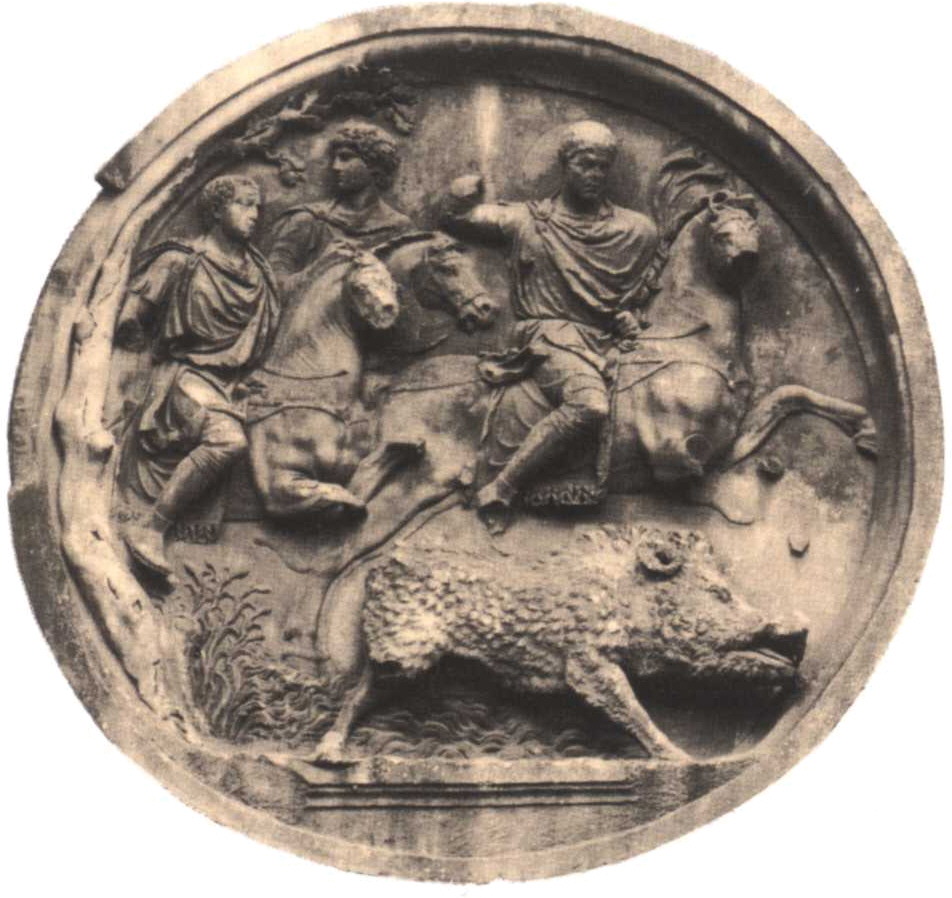
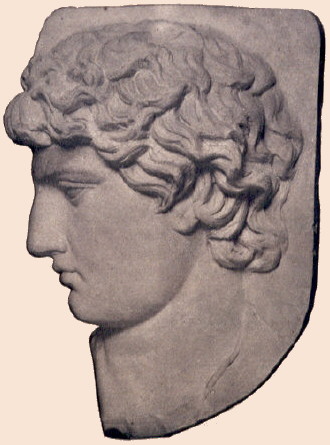
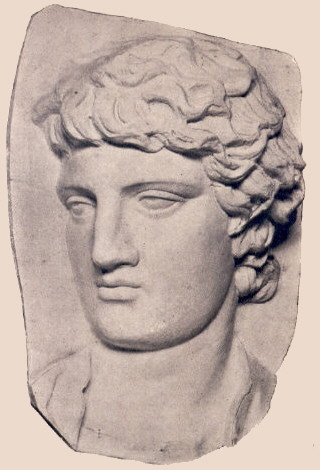
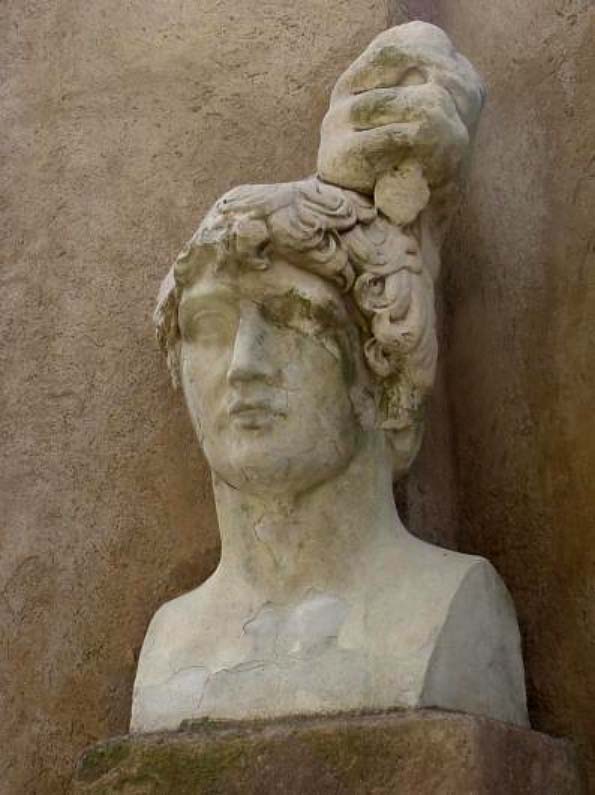
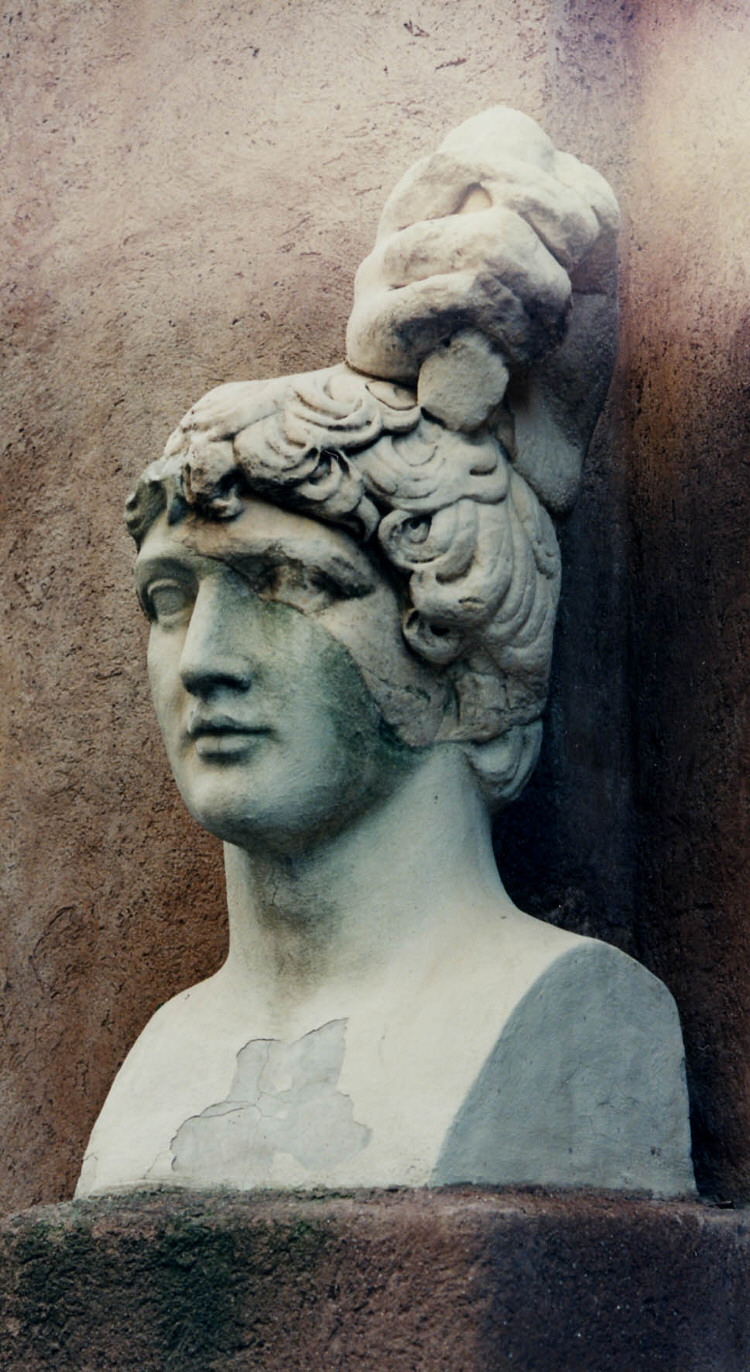
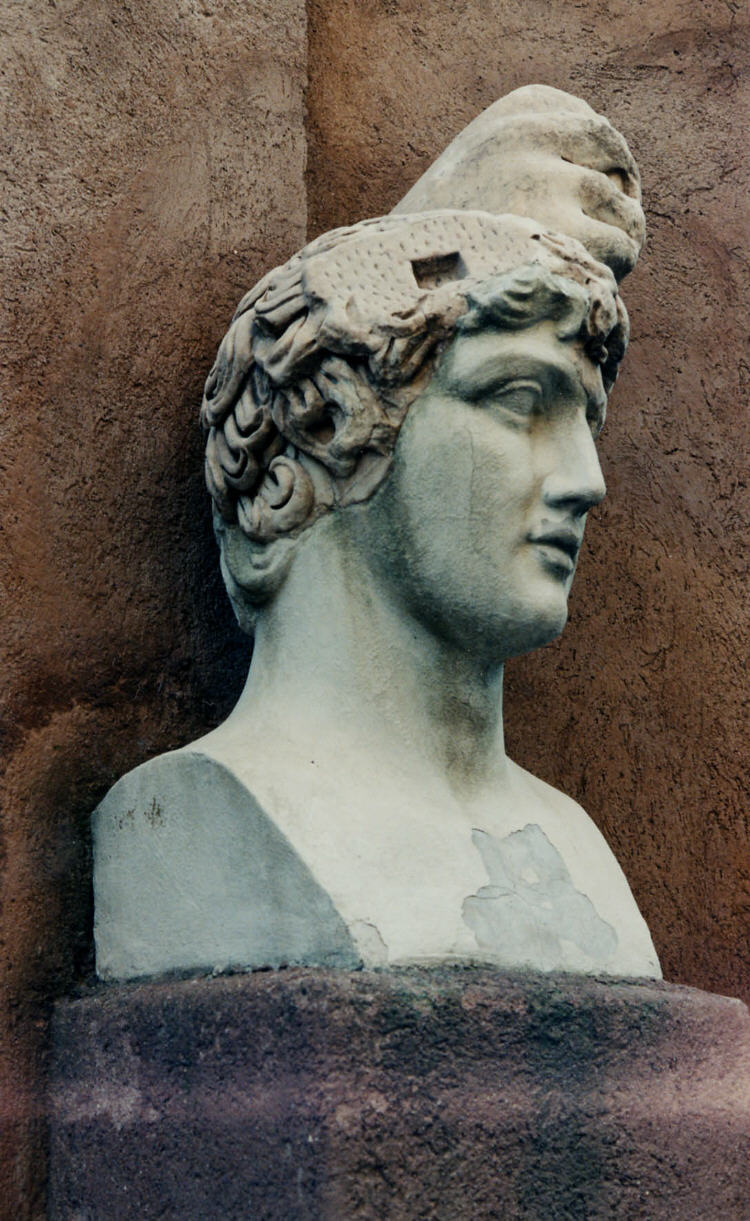
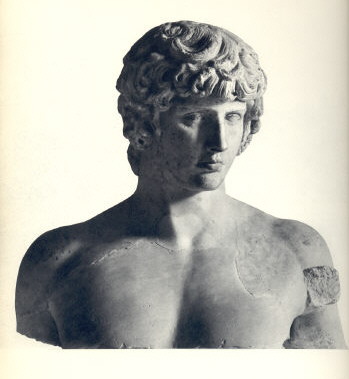
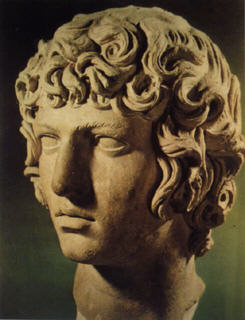
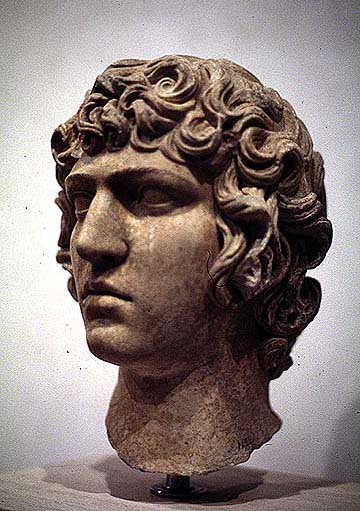
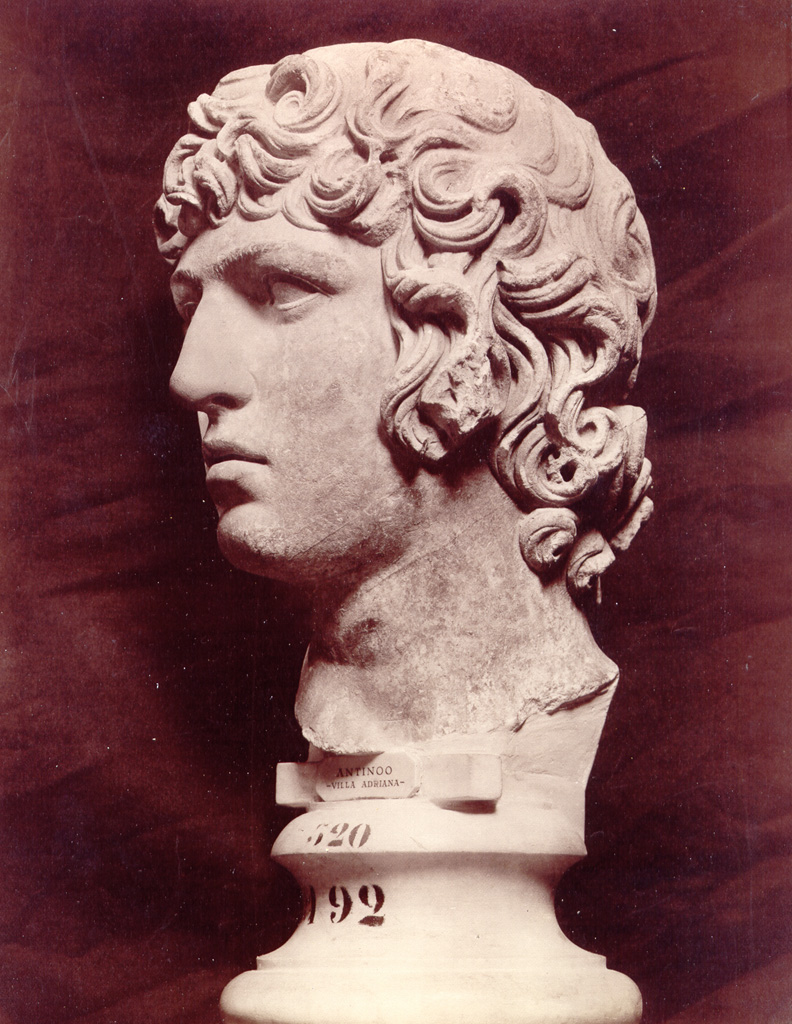
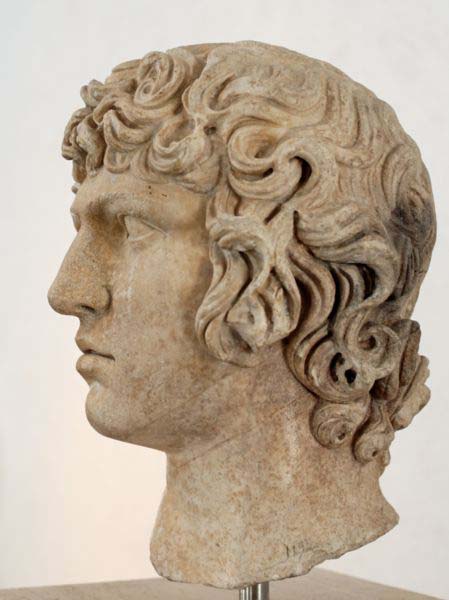
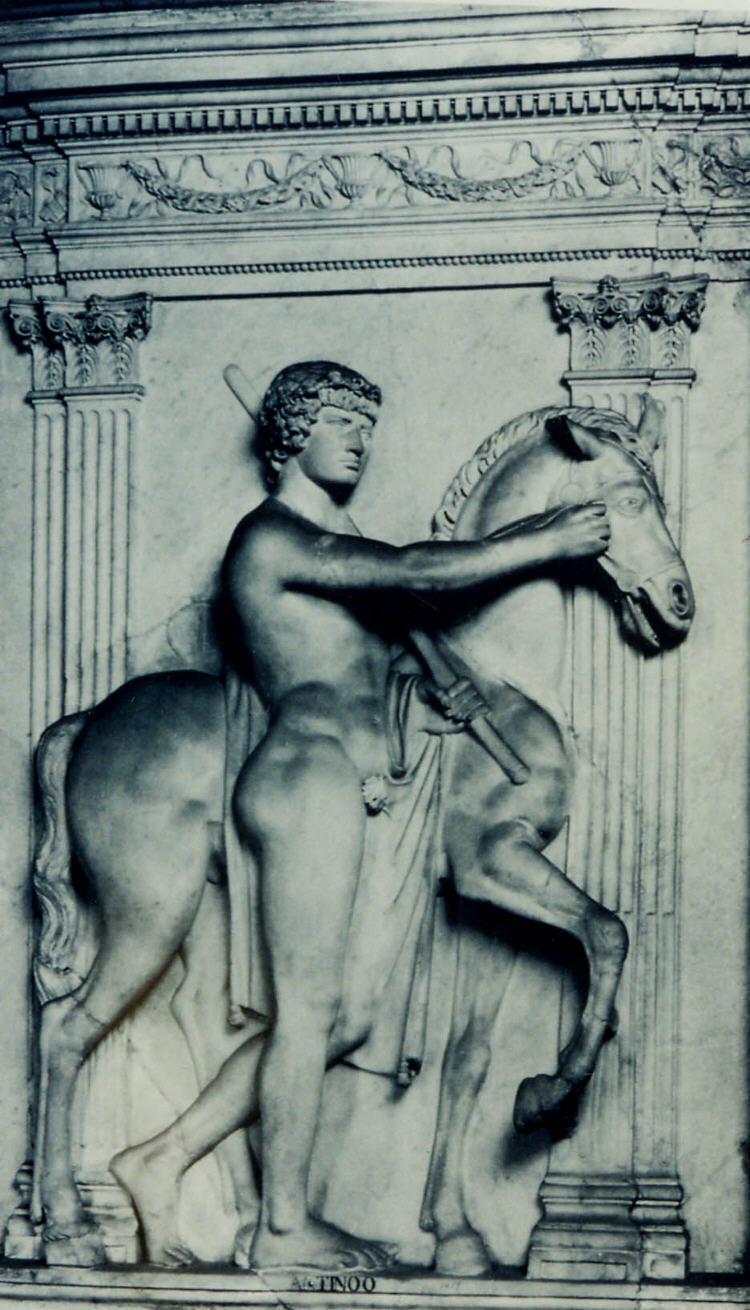
Rome, Arch of Constantine. Medaillon created with seven other similar reliefs in the time of Hadrian and reused in this arch under the reign of Constantine. Antinous appears at the top left of this hunt party scene.The two pictures right are casts of his head.
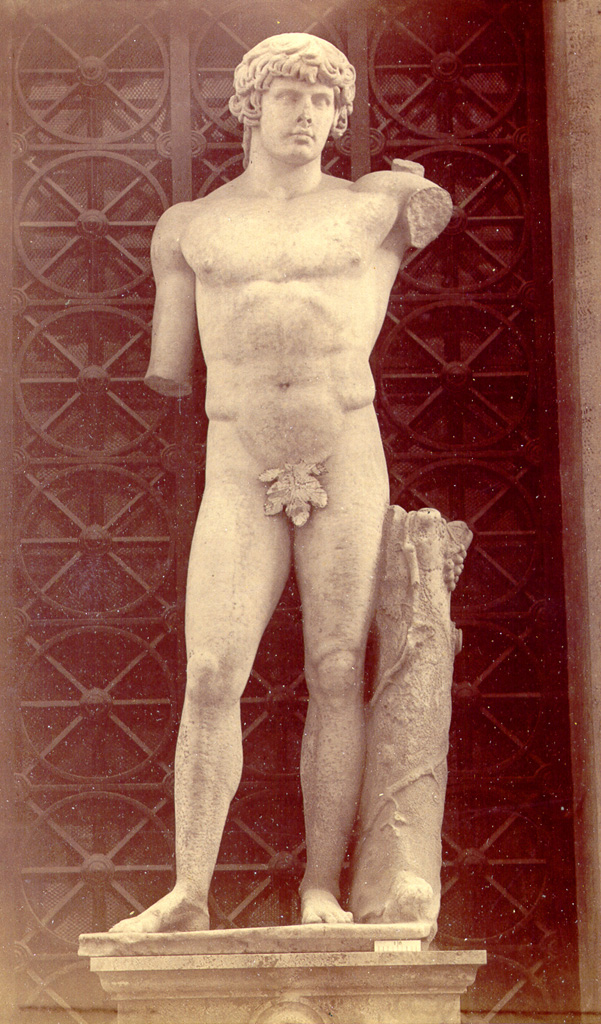
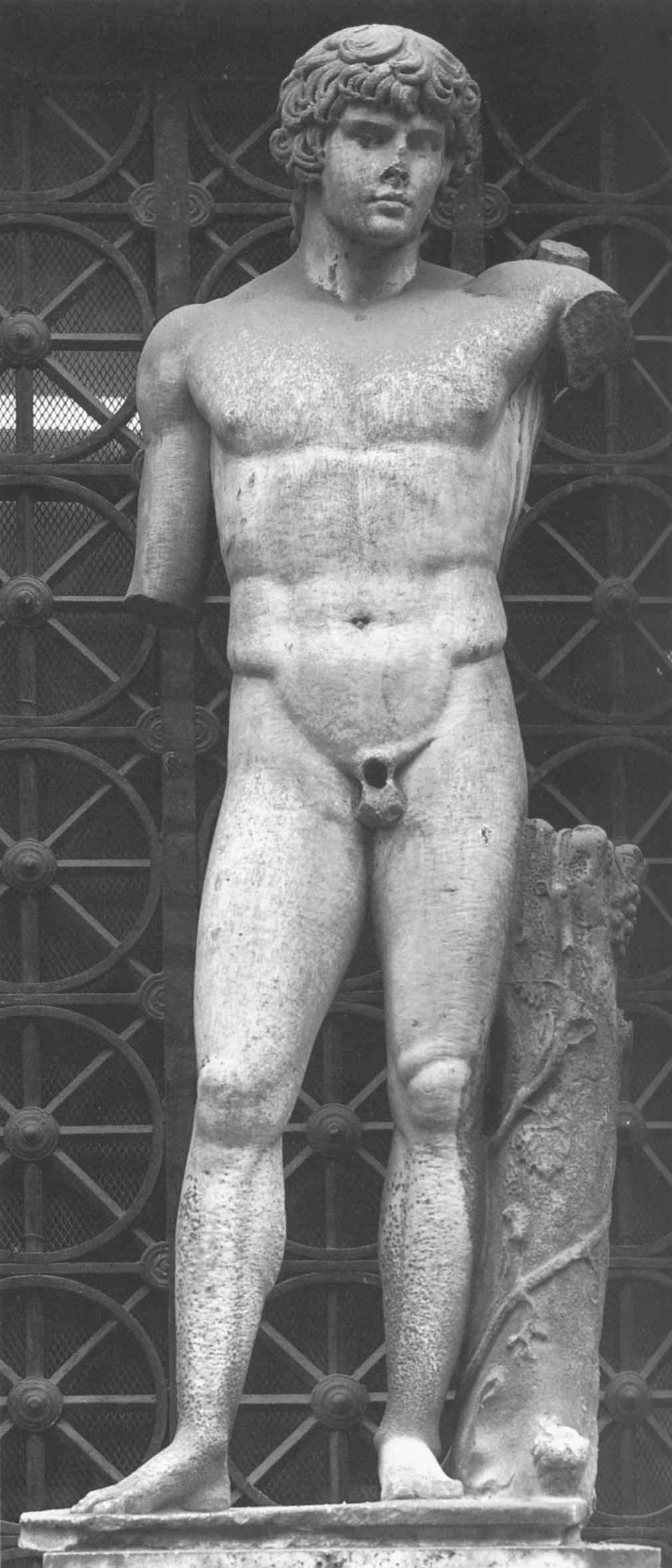
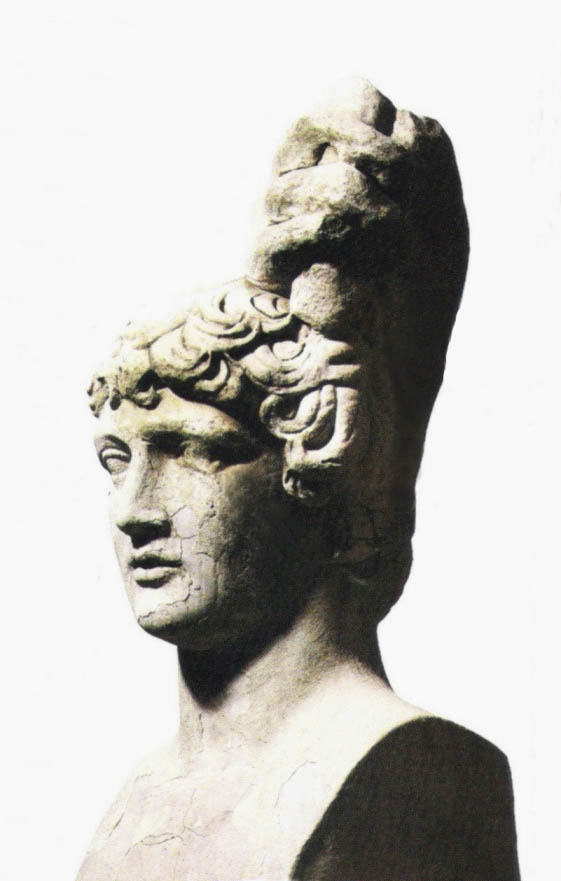
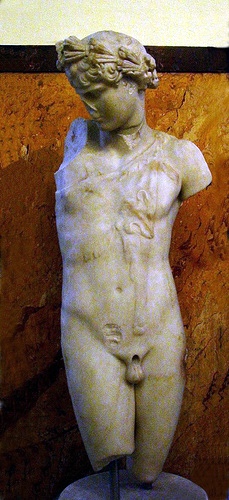
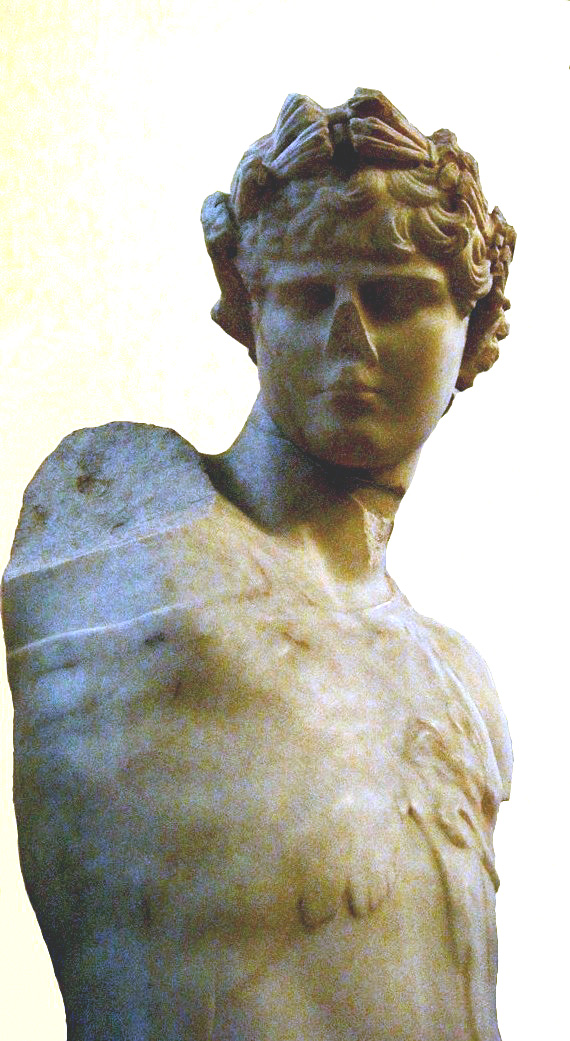
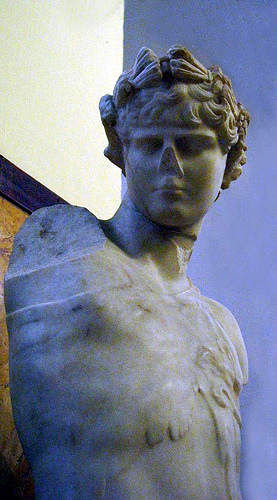
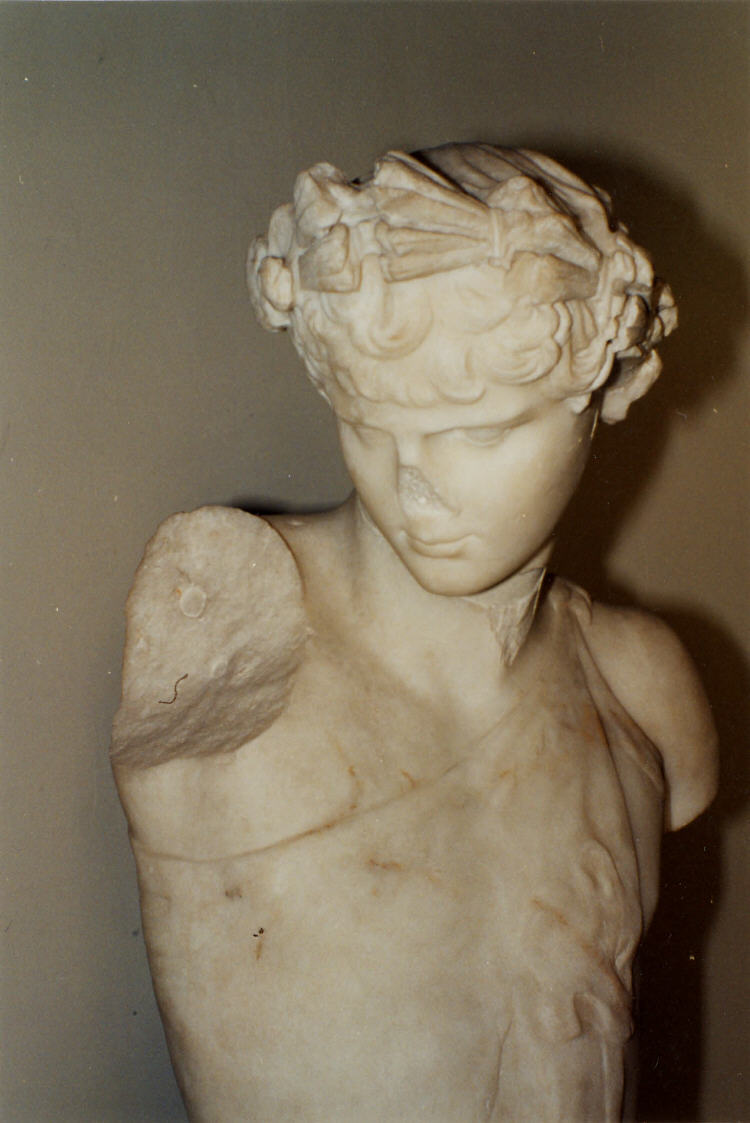
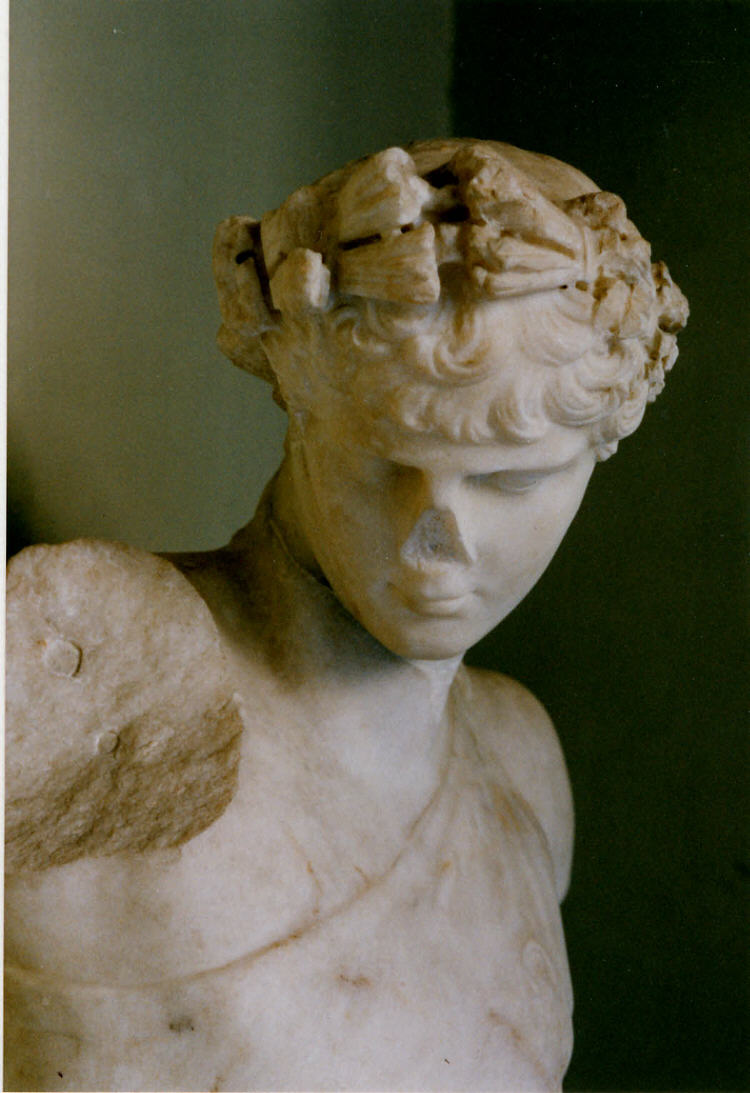
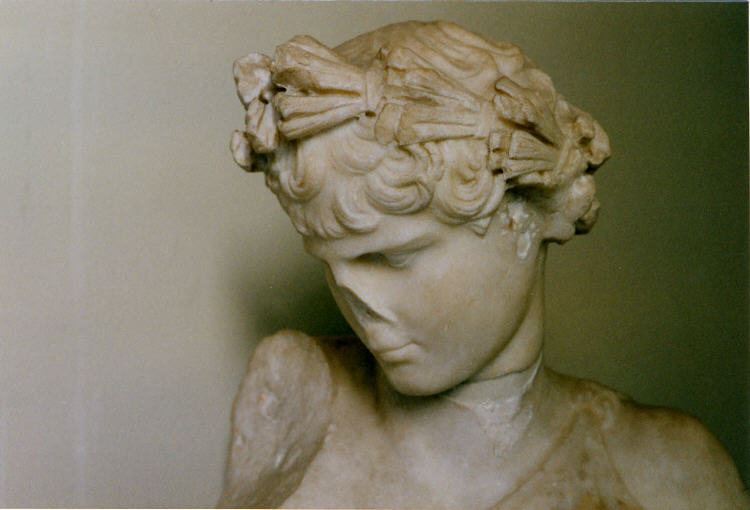
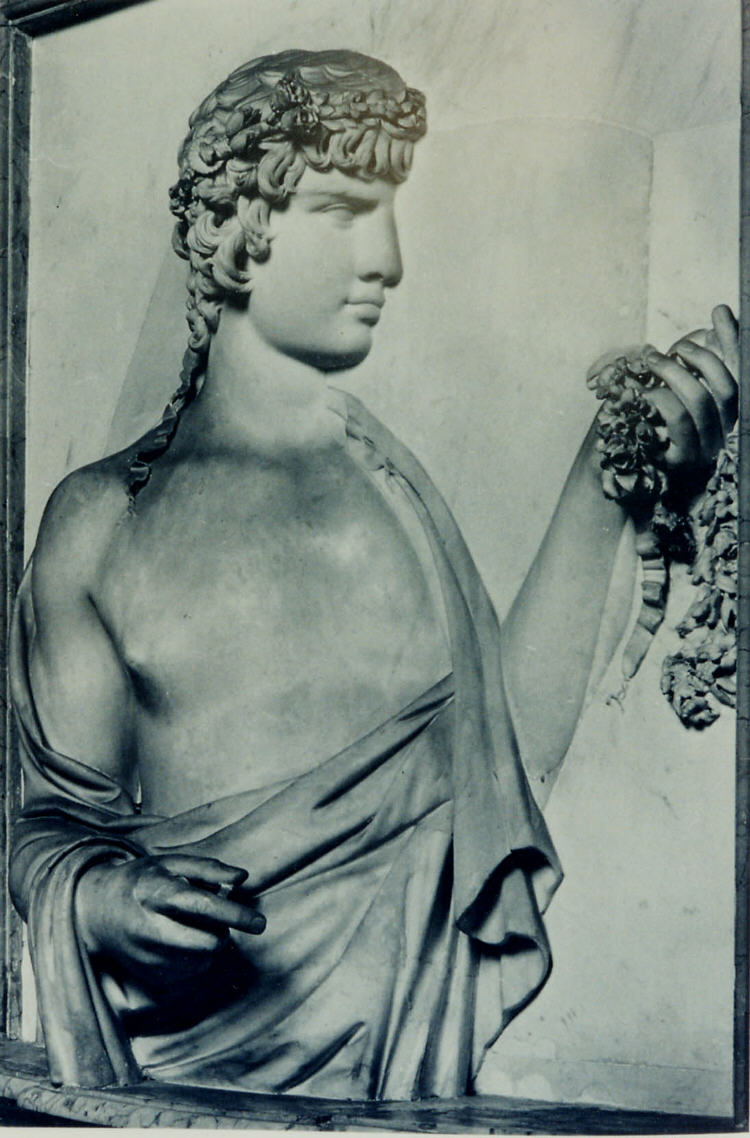
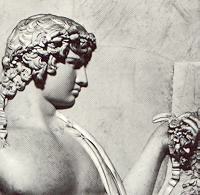
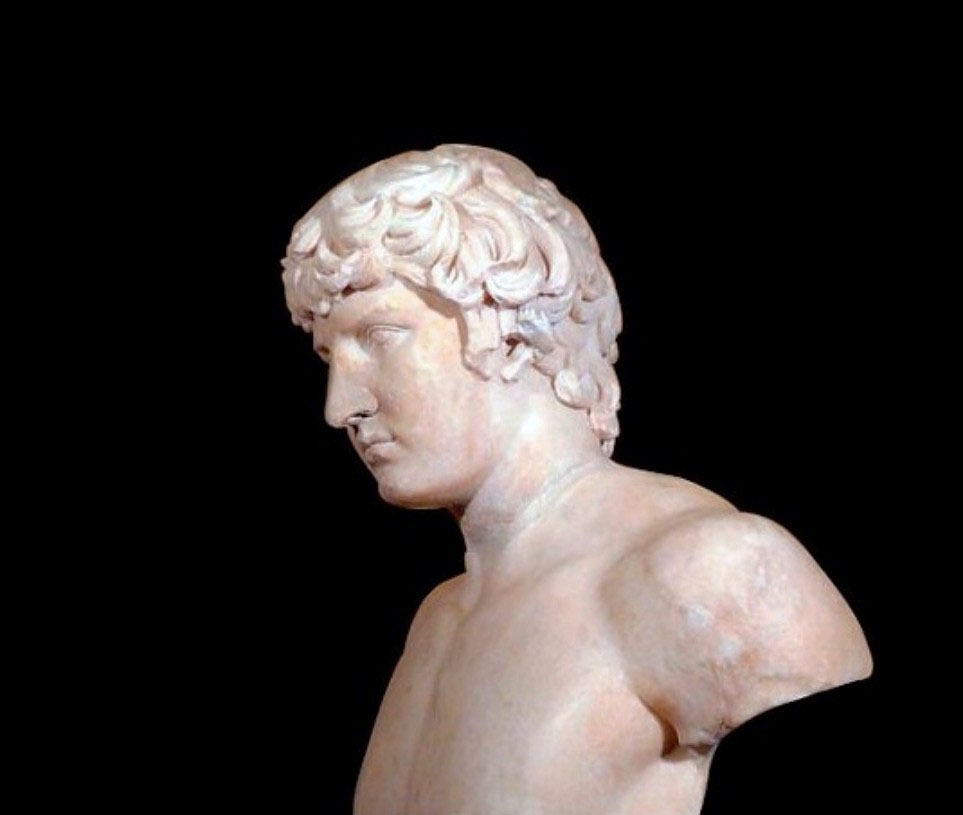
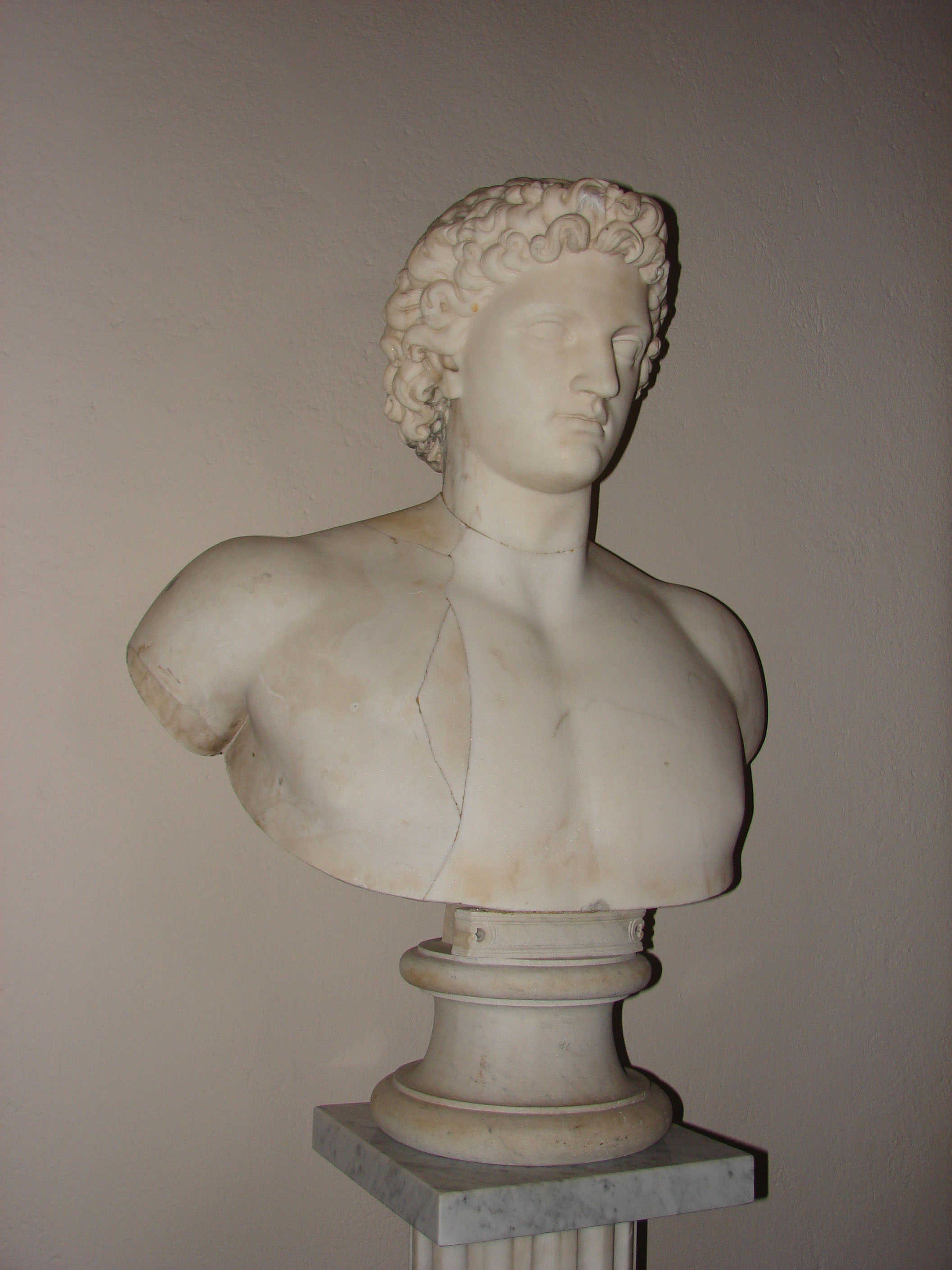
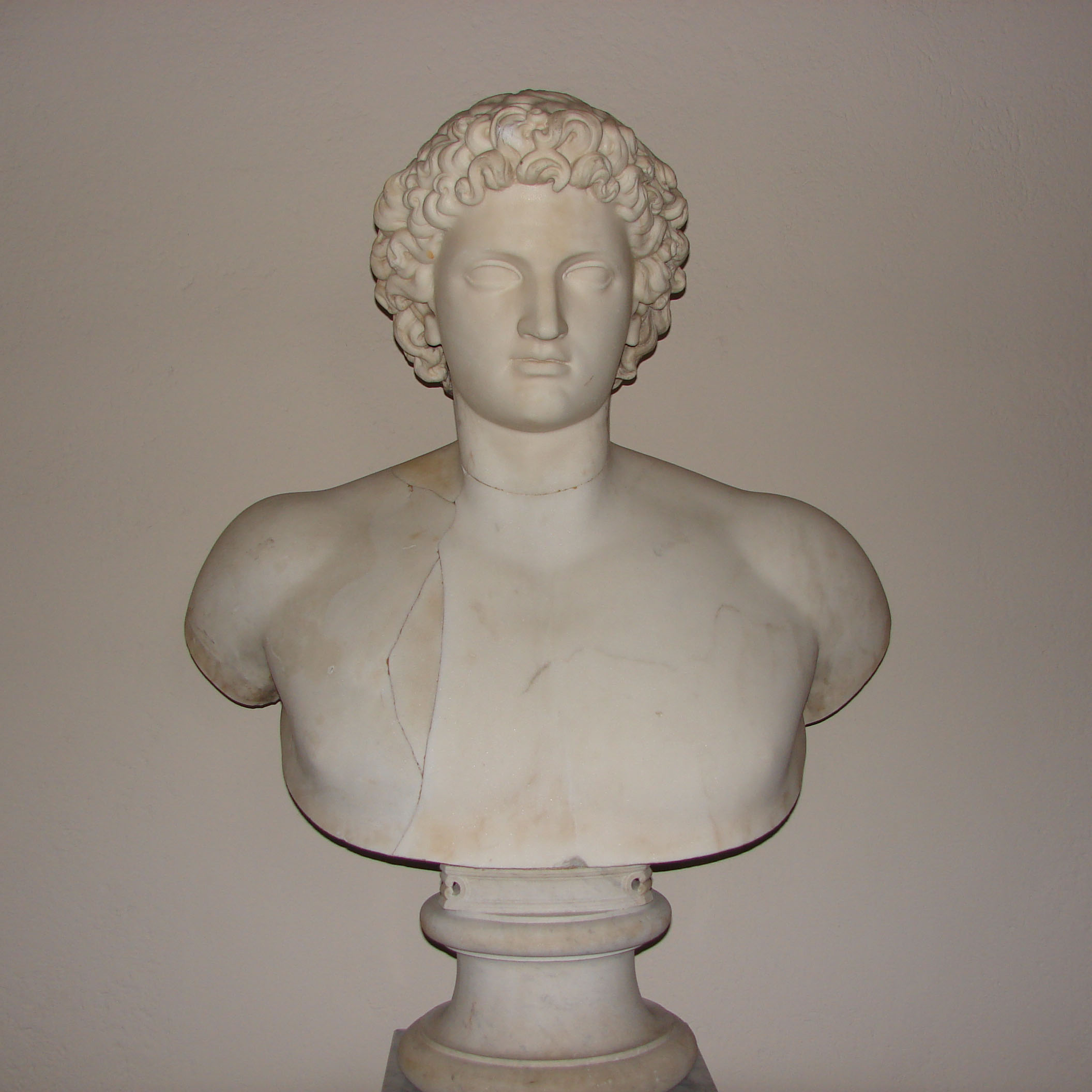
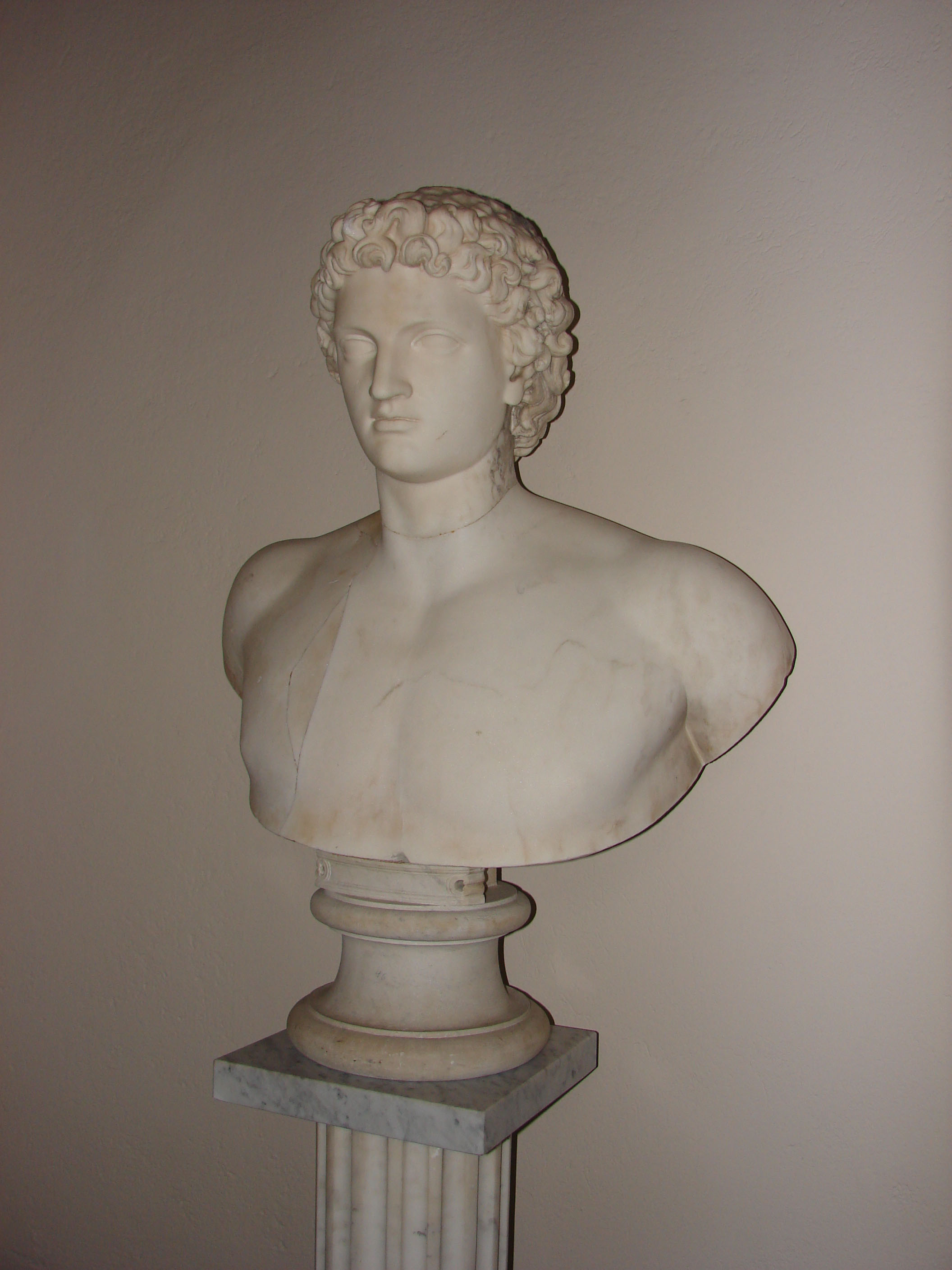
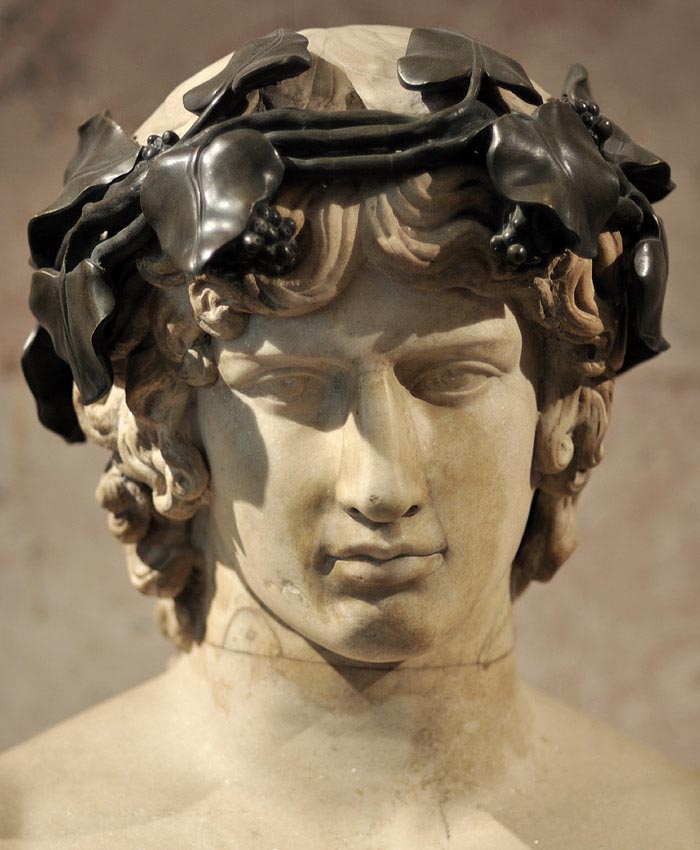
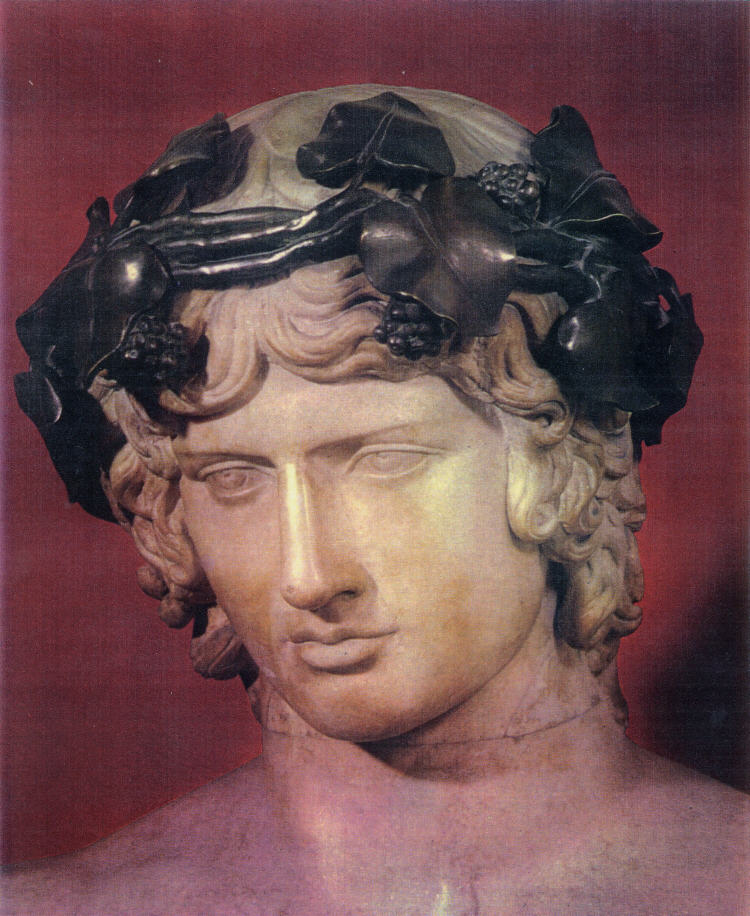
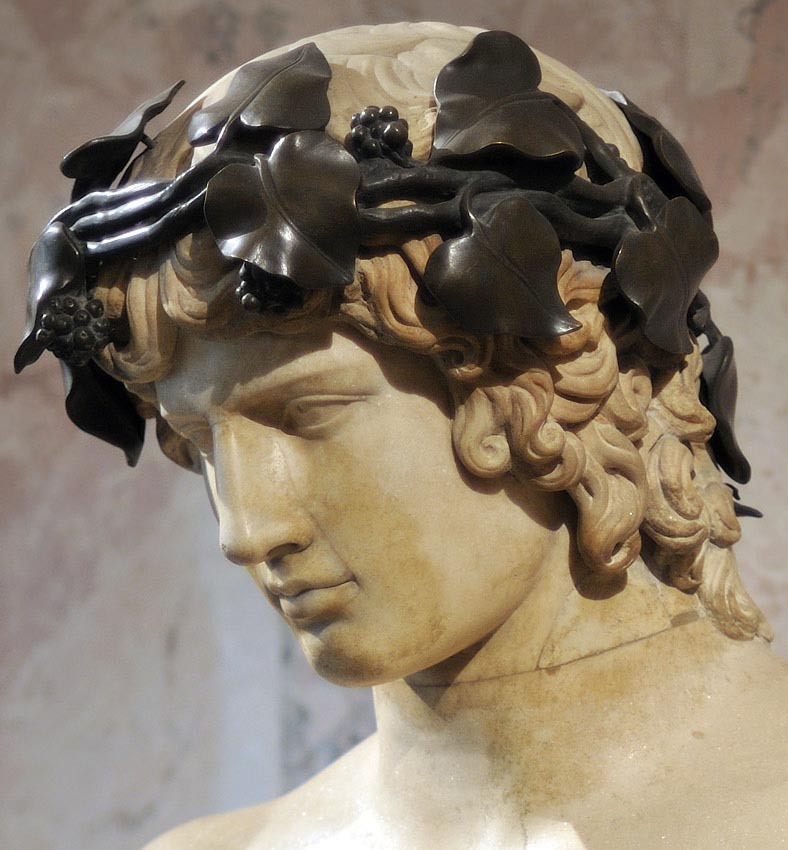
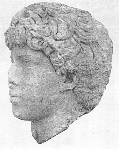
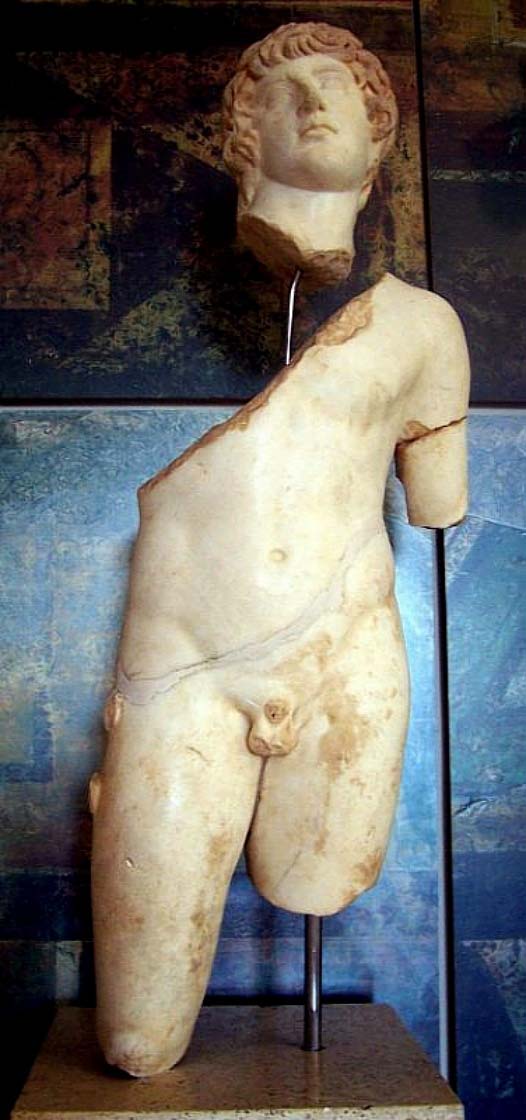
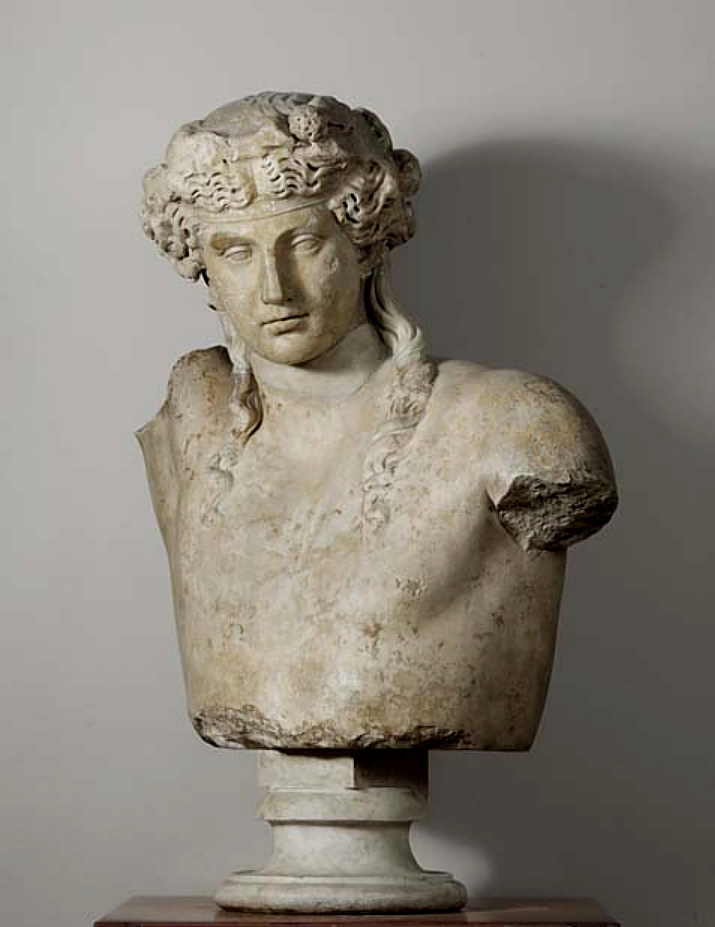
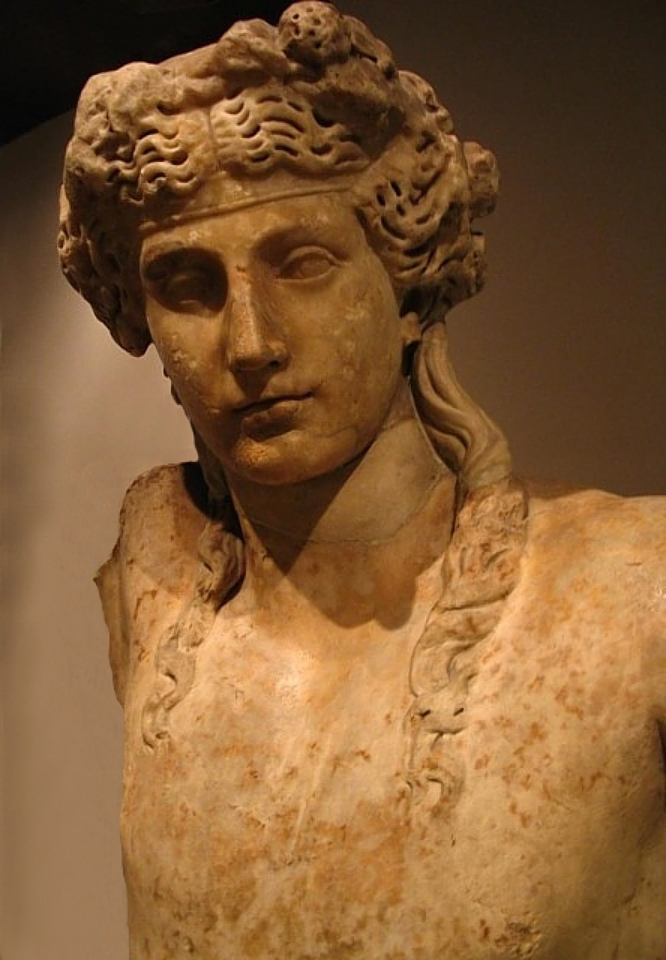
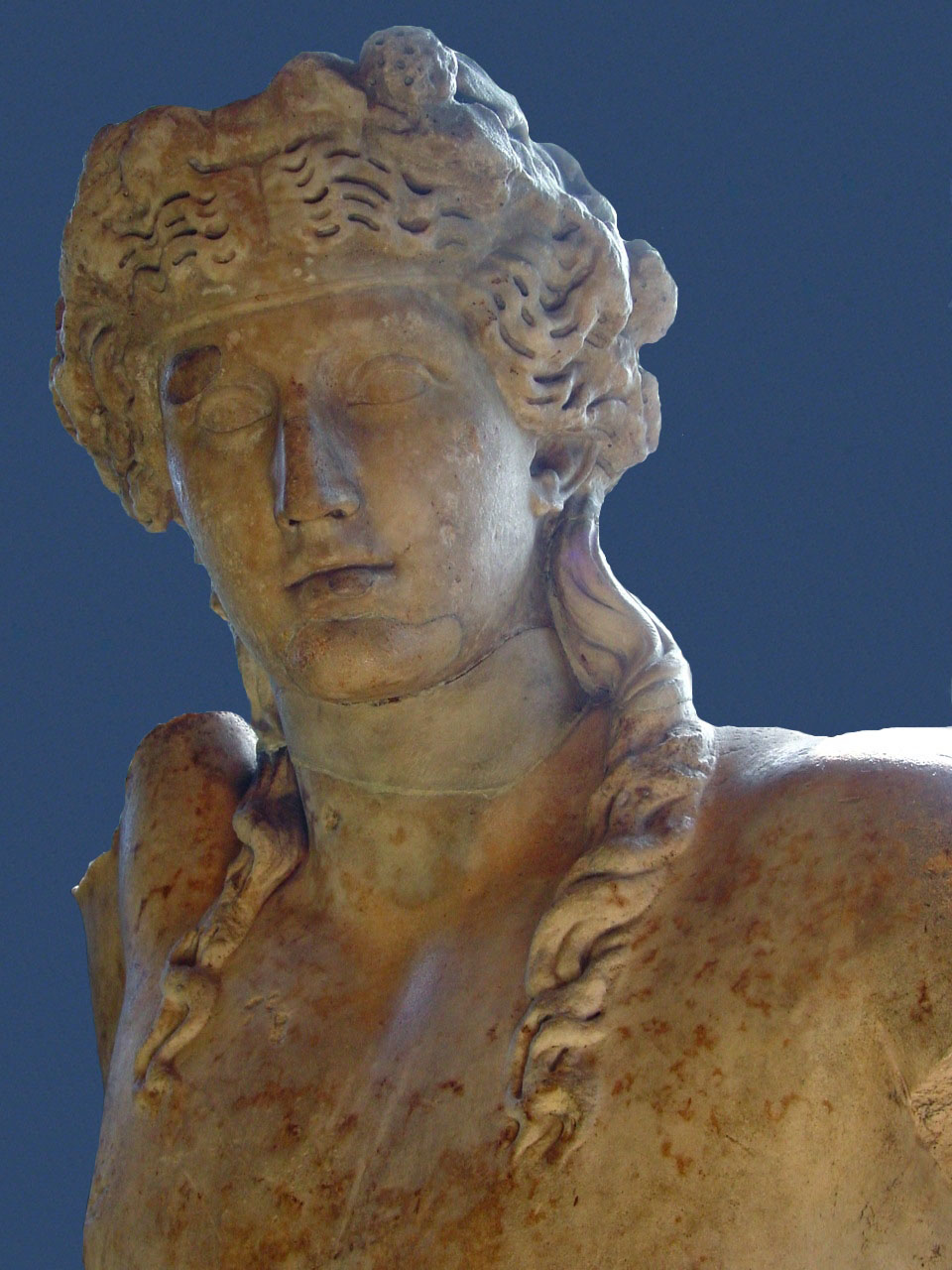
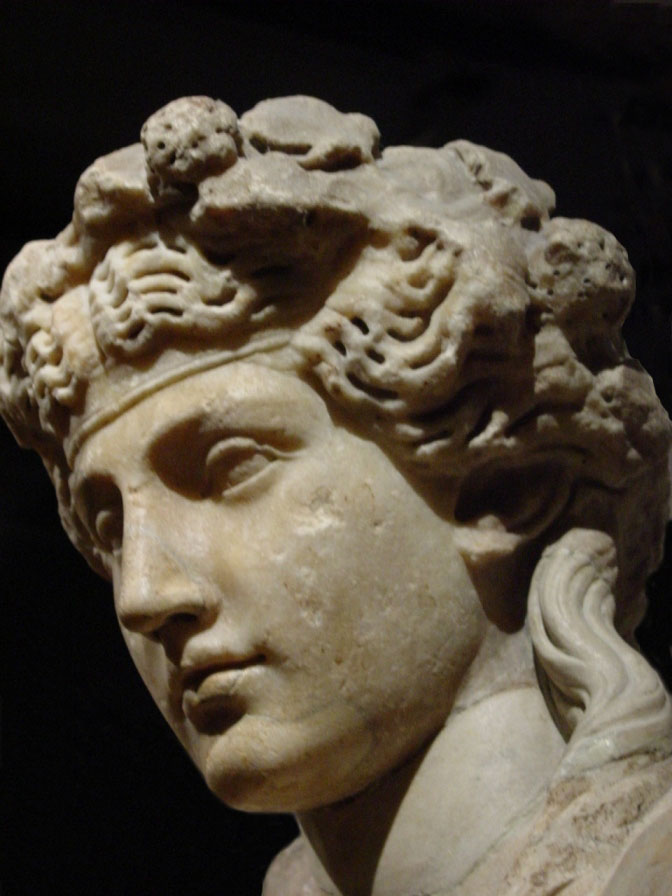
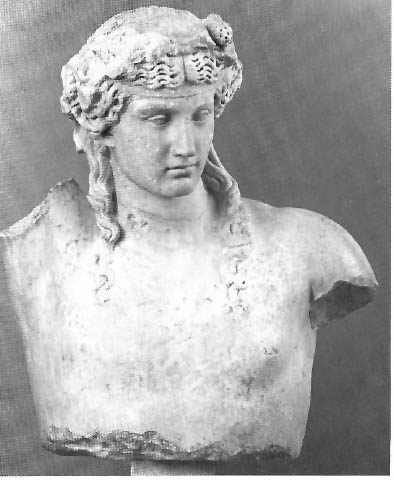
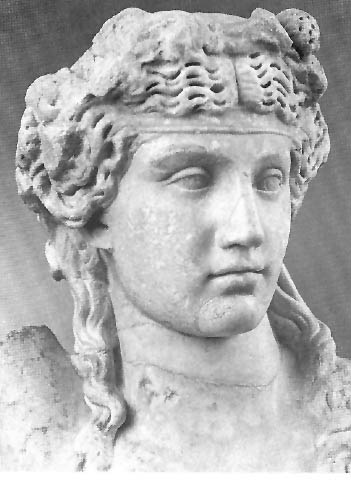
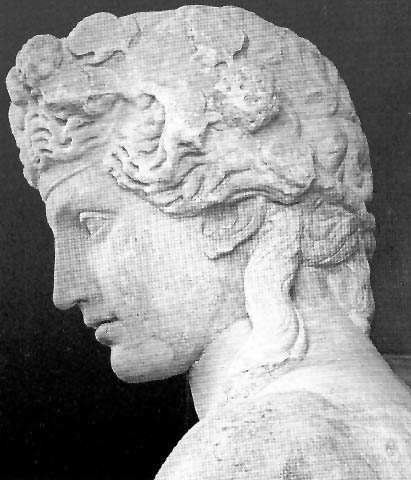
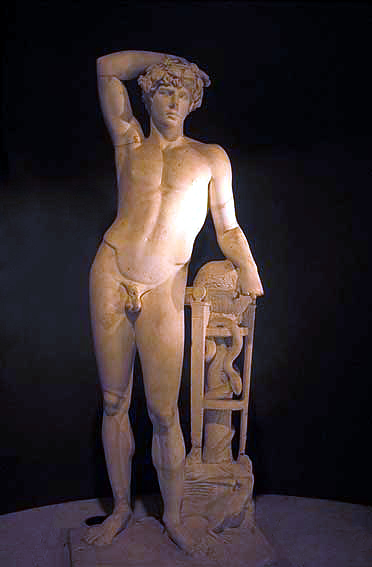
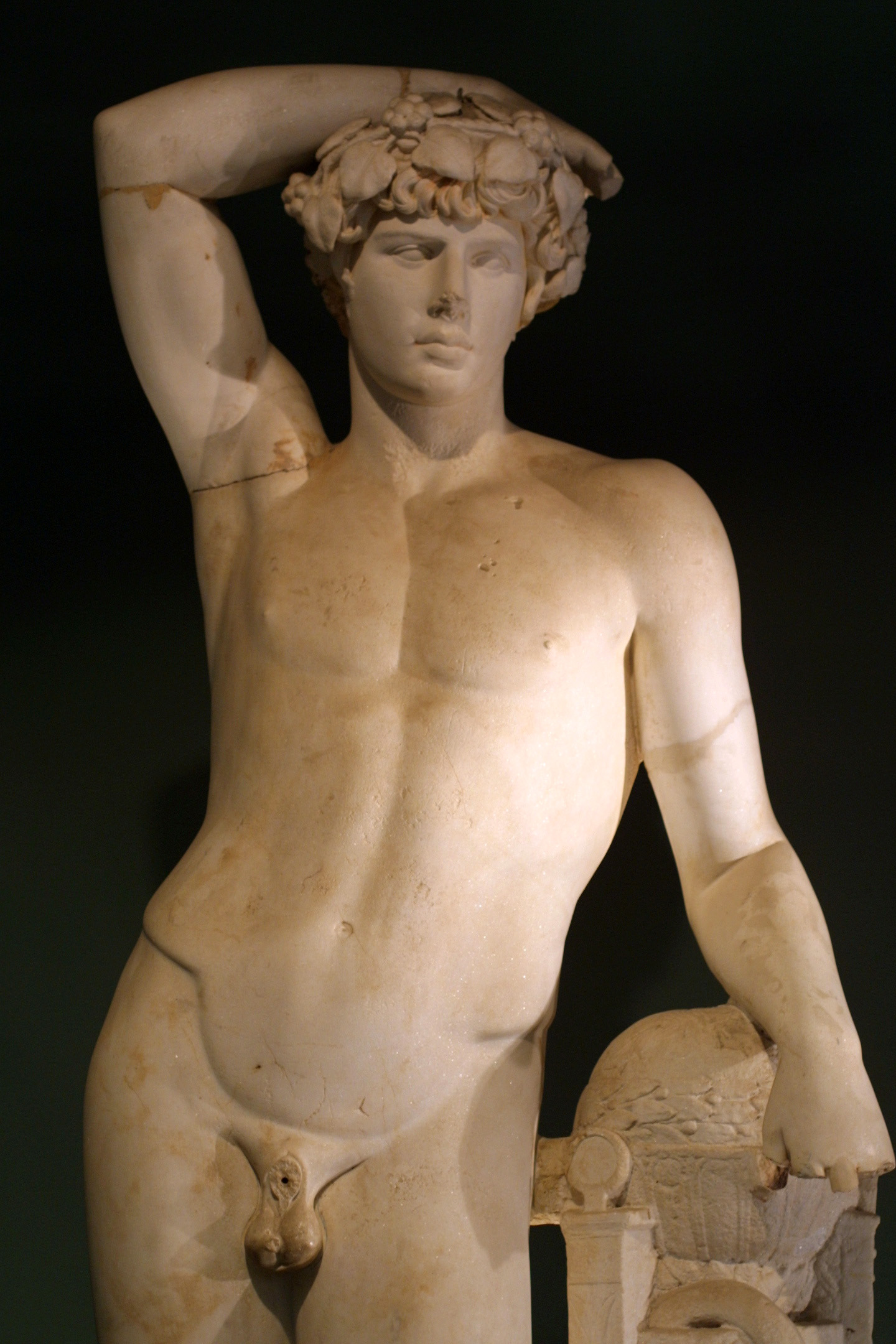
Rome, Banca d'Italia, Via Nazionale, exhibited in the inner courtyard. Antinous-Dionysos. Found in 1886 at its present location, during the construction of the building. (1st photo: original position; 2nd photo: present location)
«Questo ritratto può riguardarsi come uno di quelli che le espressero più al vero»
(Carlo Ludovico Visconti, 1886)
Rome, Castel Sant'Angelo, Inv No 130. Probably found during excavations at the beginning of the 20th century, the head may have been part of a colossal group.
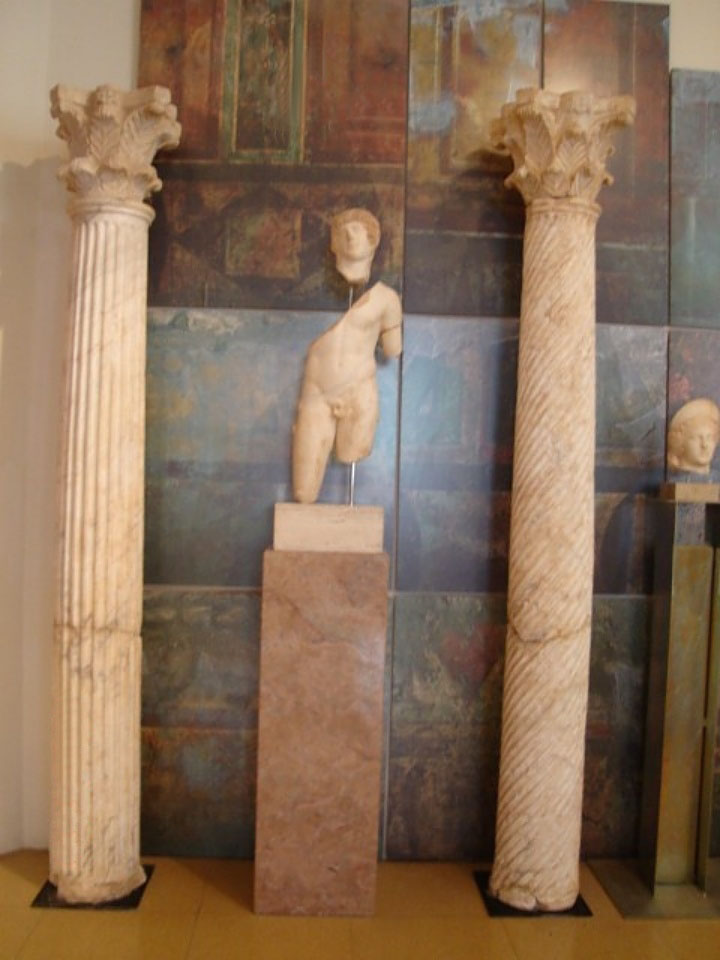
Rome. Palazzo Massimo alle Terme. On permanent loan from Instituto Bancario Italiano (today: Cariplo). Oktober 1907 nahe Lanuvium (bei Rom) gefunden. Antinoos-Silvanus. On the Altar in Greek: Αντωνιανος Αφροδισιευσ Εποιει - Made by Antonianos from Aphrodisias.
«Questa opera d'arte non ha bisogno di parole di lode, poiche bella di per se stessa»
(Giulio Emanuele Rizzo, 1908)
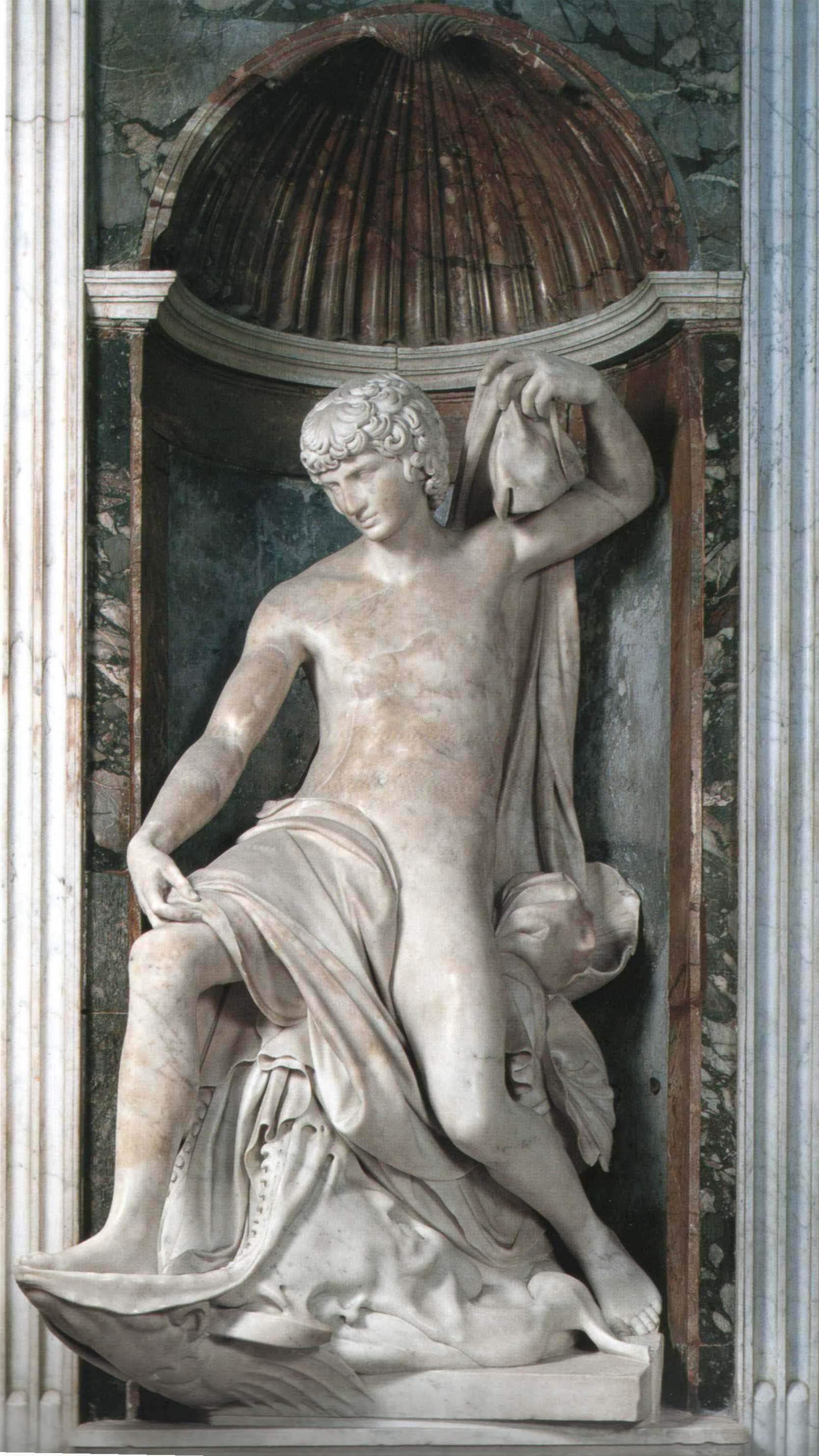
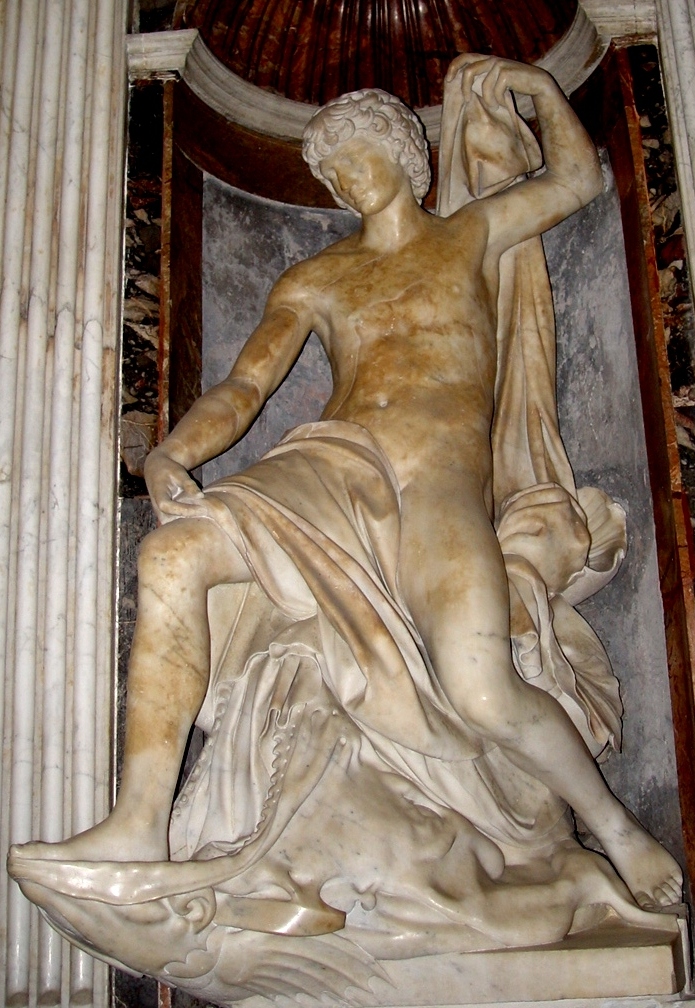
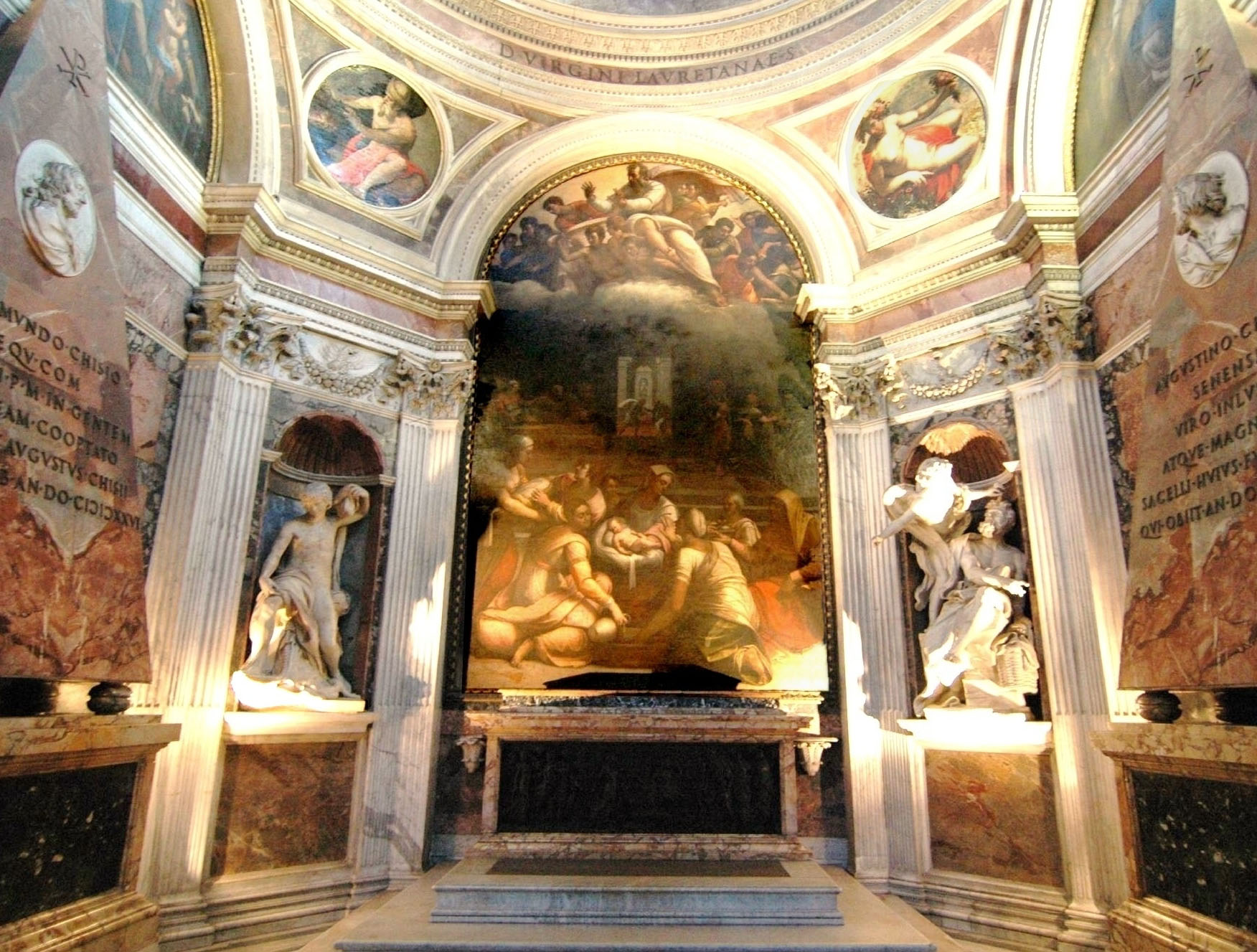
Rome, Chigi Chappel in S.M. del Popolo, Jonas, Marble statue by Lorenzetto - evidently inspired by the head of the Antinous Farnese in Naples, Mid-16th Century.
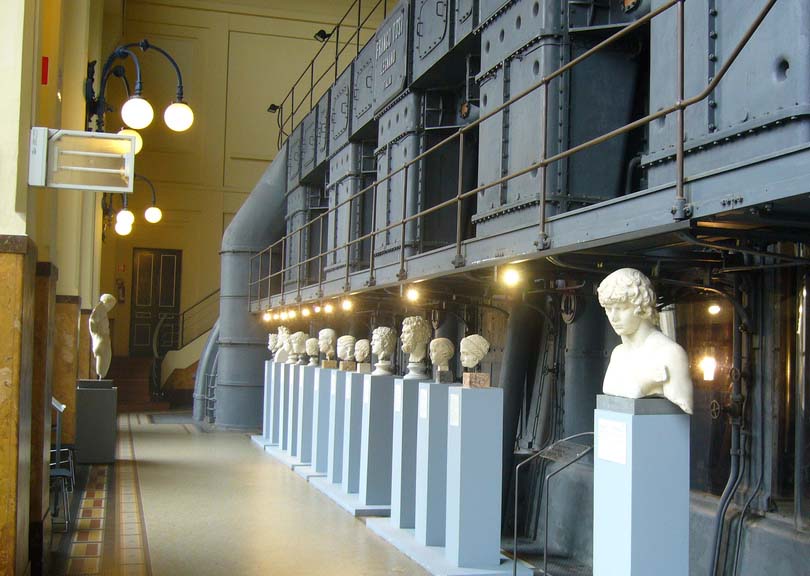
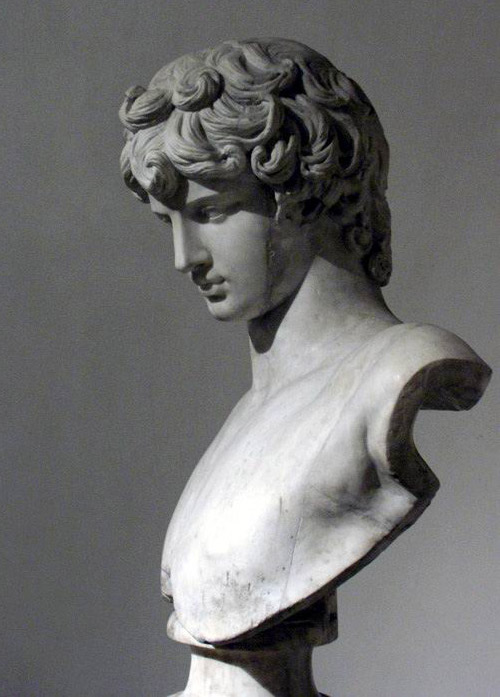
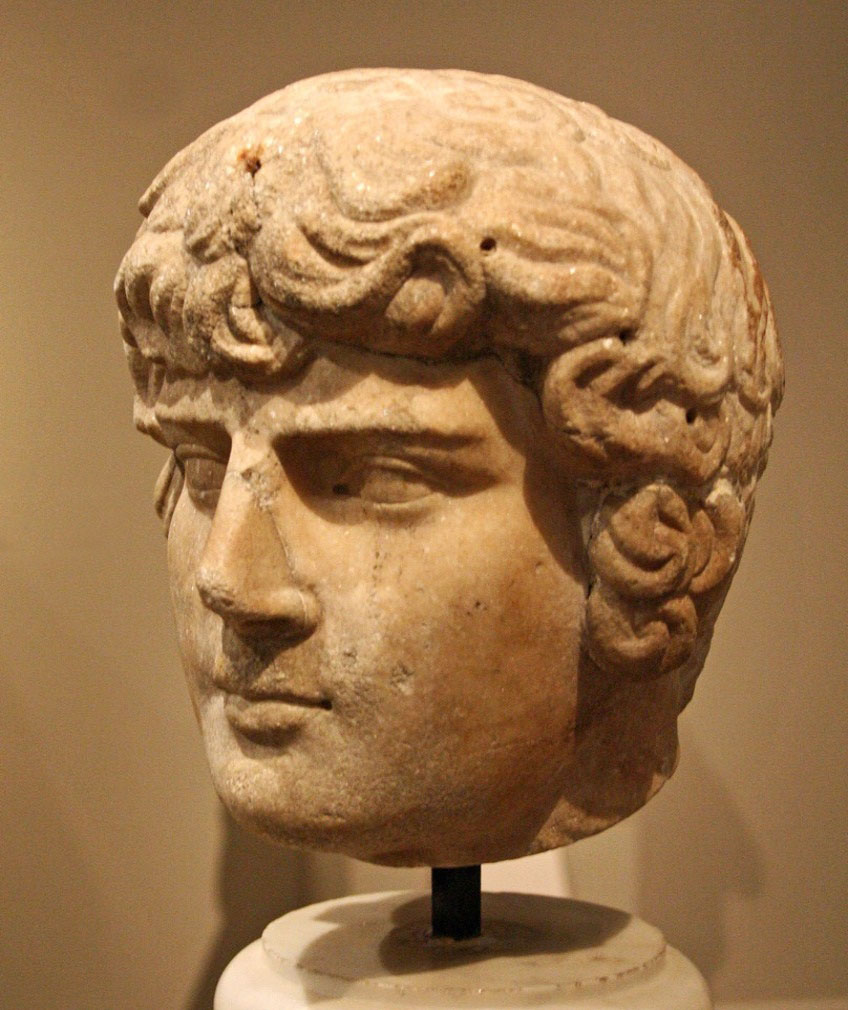
Rome, Pallazzo degli Conservatori, displayed since 1999 in the Centrale Montemartini Exhibition Hall.
Acquired in 1876 from the Villa Aldobrandidni. Previous provenance unknown.
Picture N°1 © by simon knight/mansionmedia (Flickr.com)
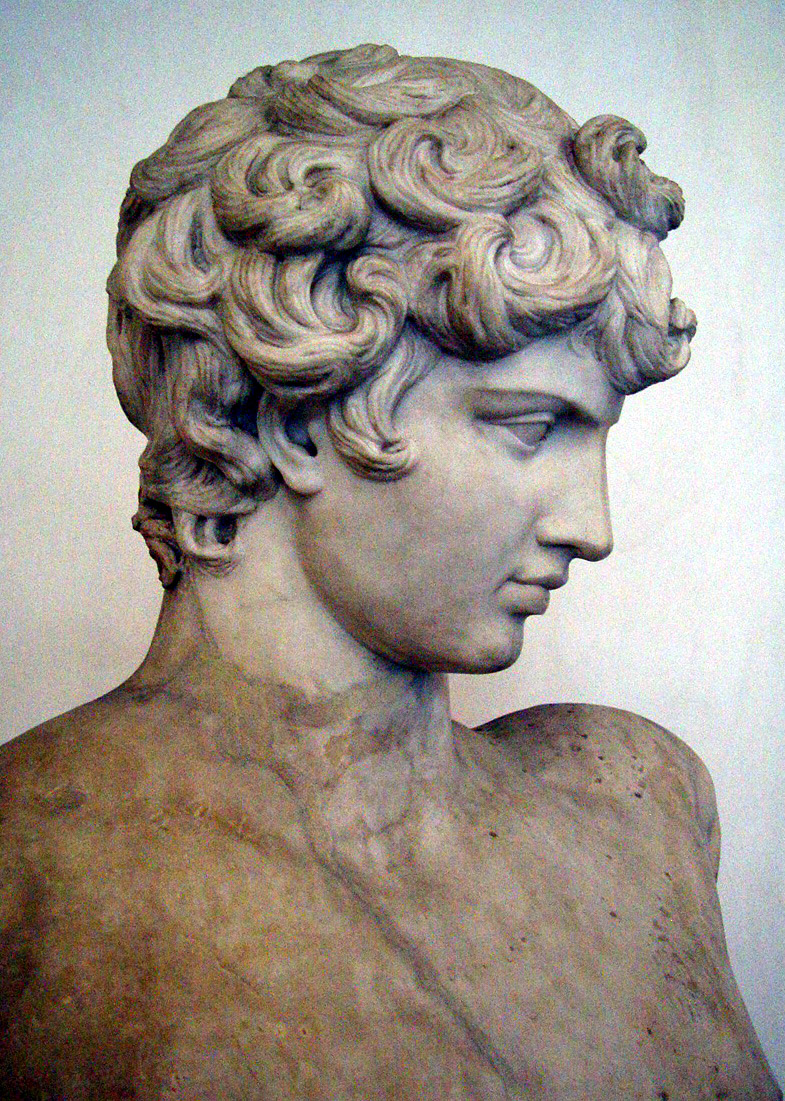
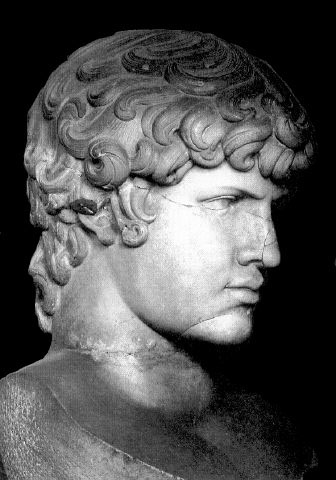
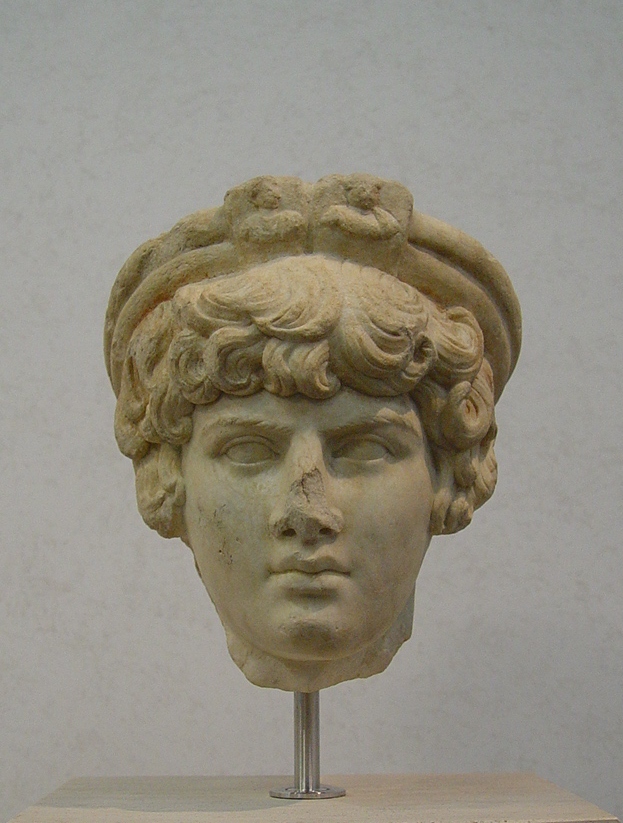
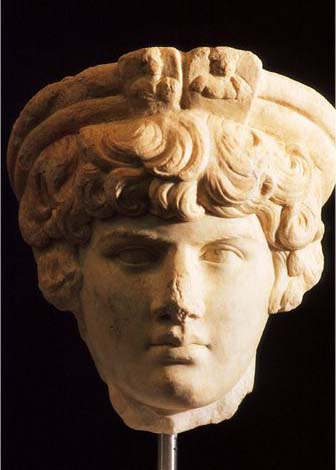
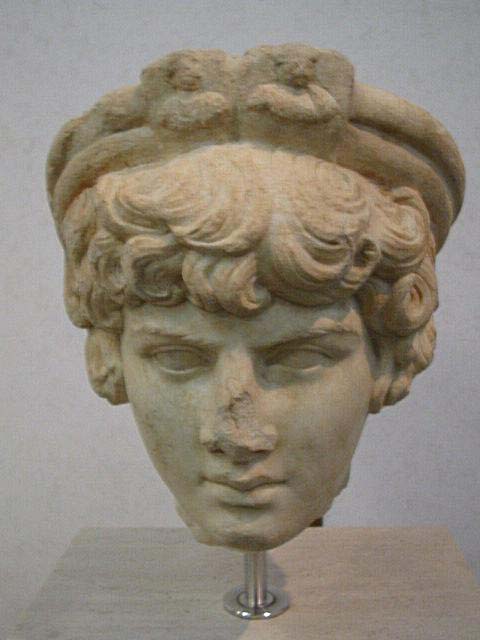
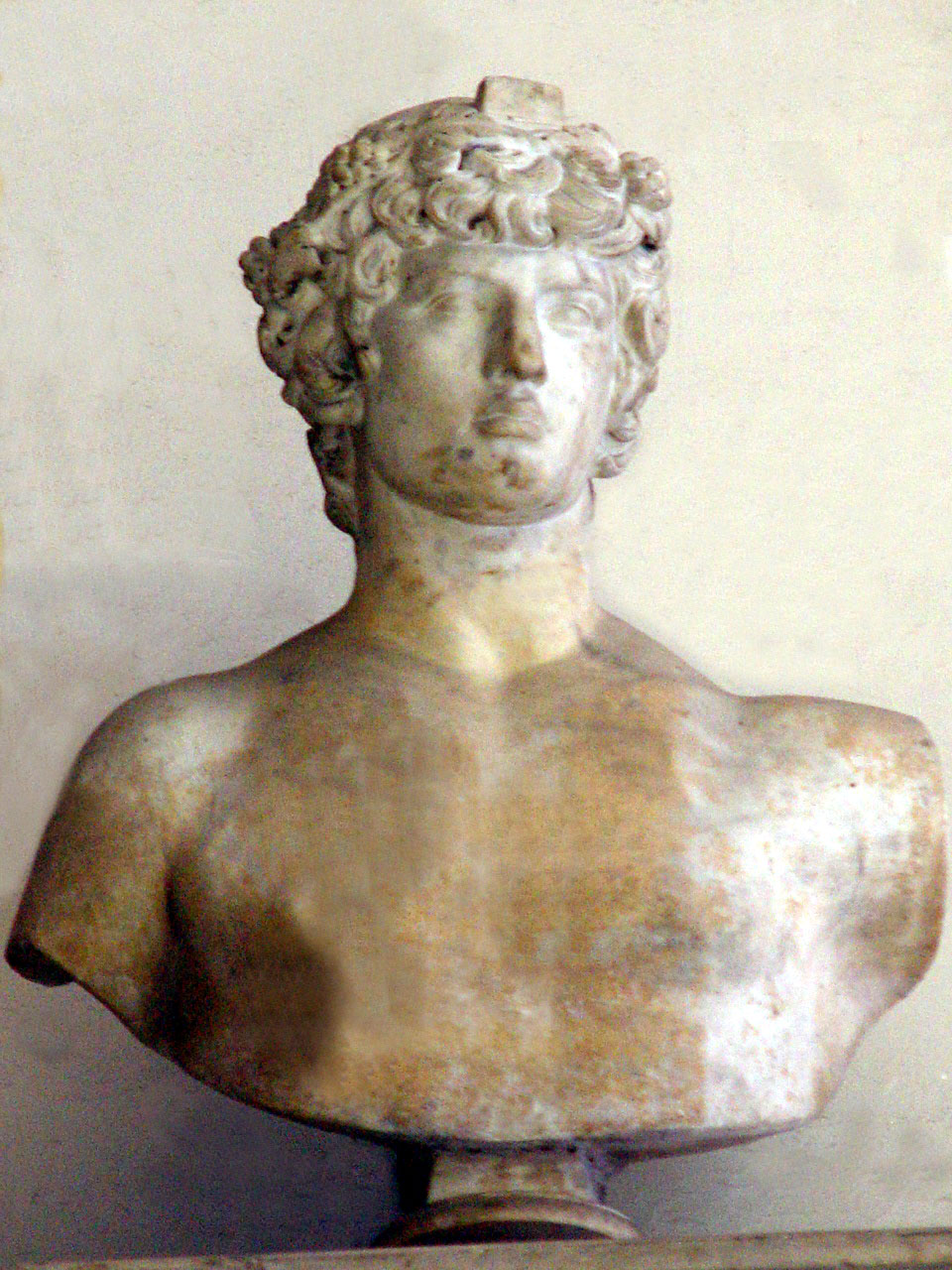
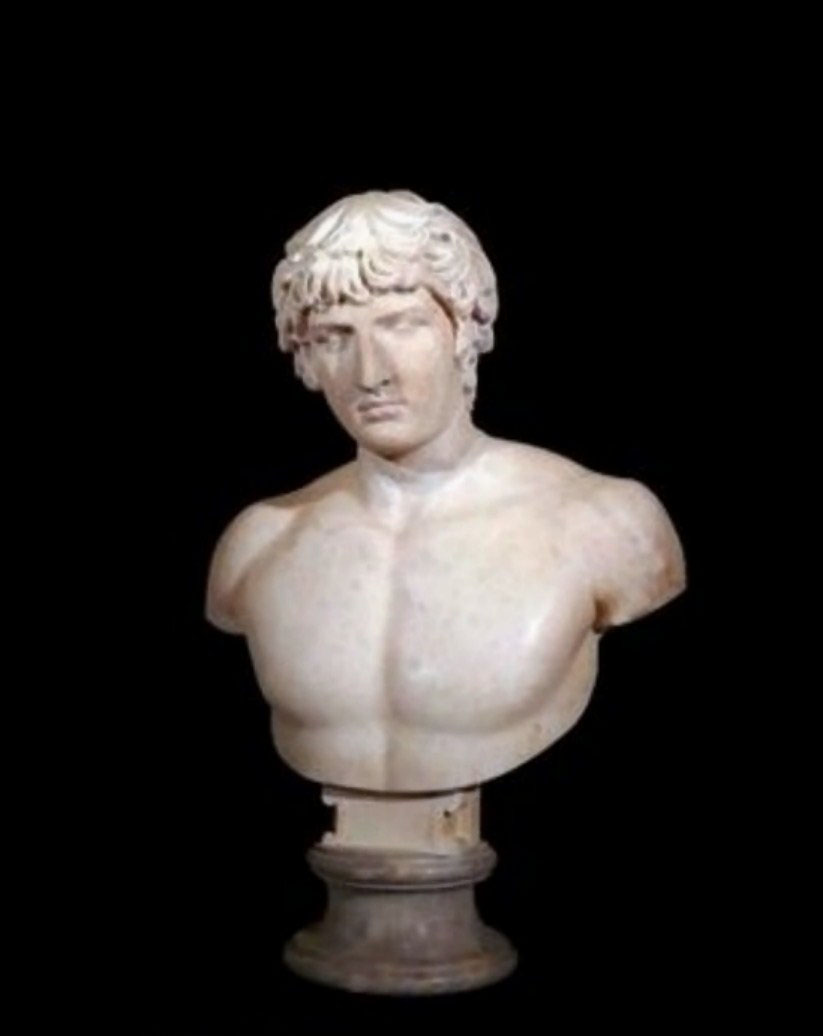
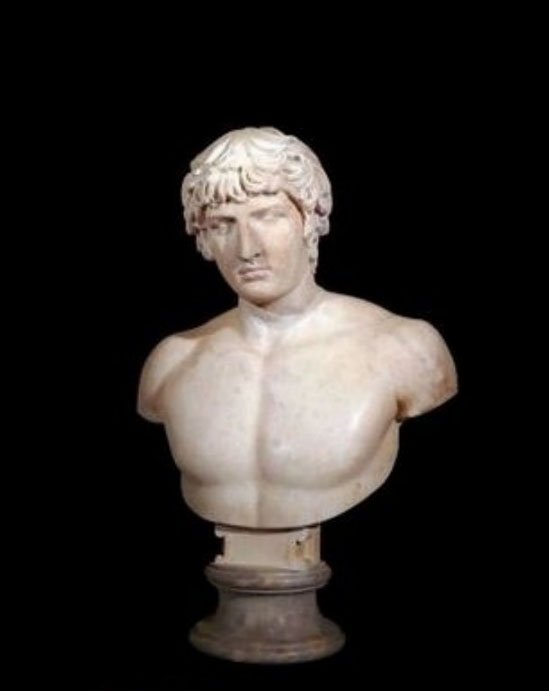
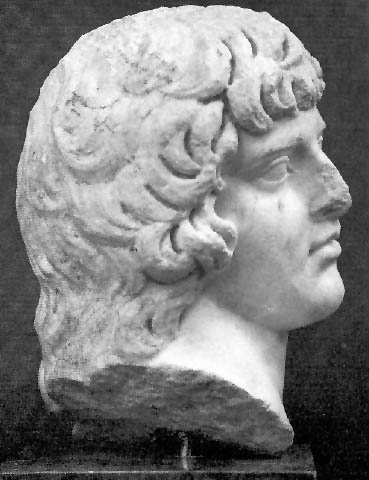
Rome, Pallazzo degli Conservatori, N° MC 02305, exhibited since 1999 in the Centrale Montemartini. Bust of a statue, found in 1932 during the construction of the "Via del Imperio", together with its left leg and its bases - both these part are today lost.
«Le guance piene e gli occhi stretti ed allungati con l'espressione di languida tristezza»
(Domenico Mustili, 1933)
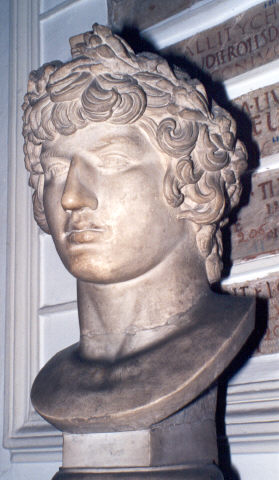
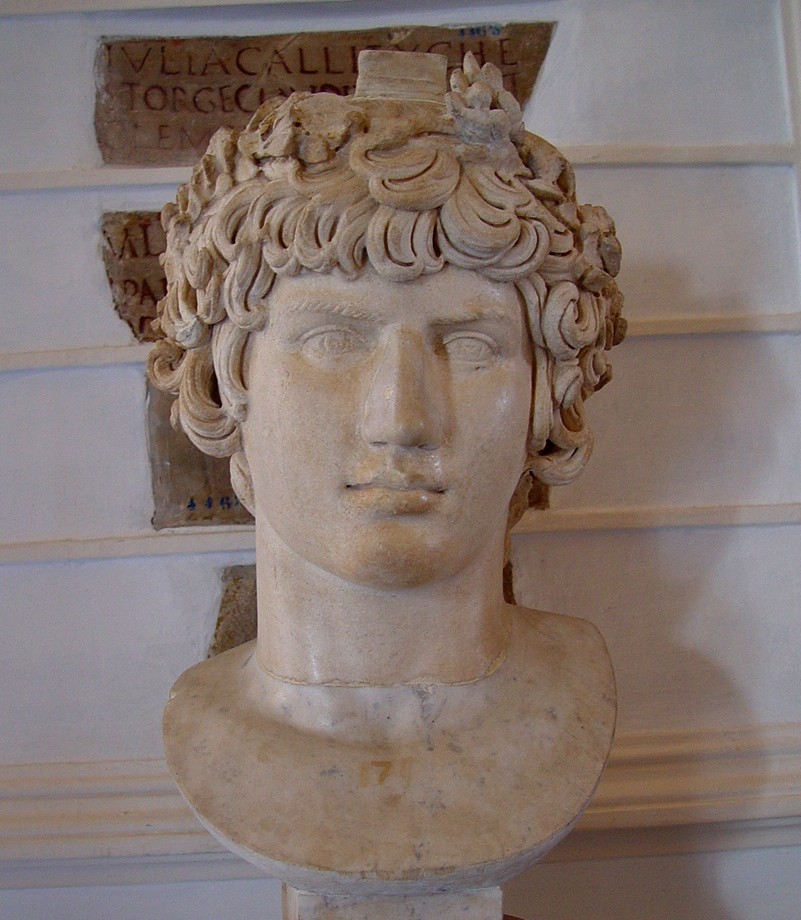
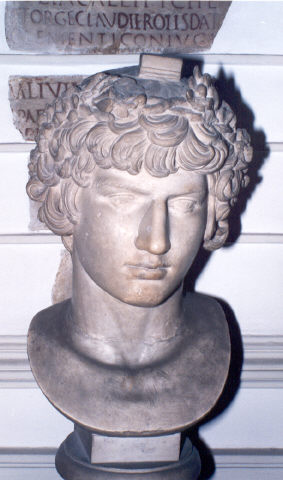
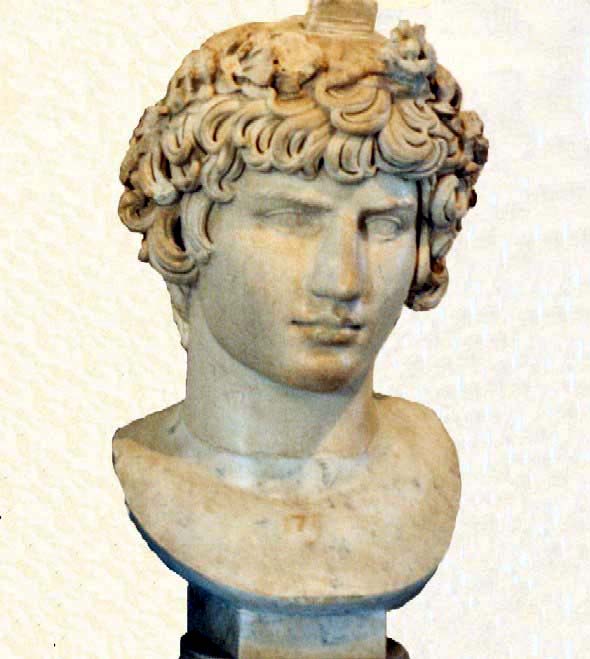
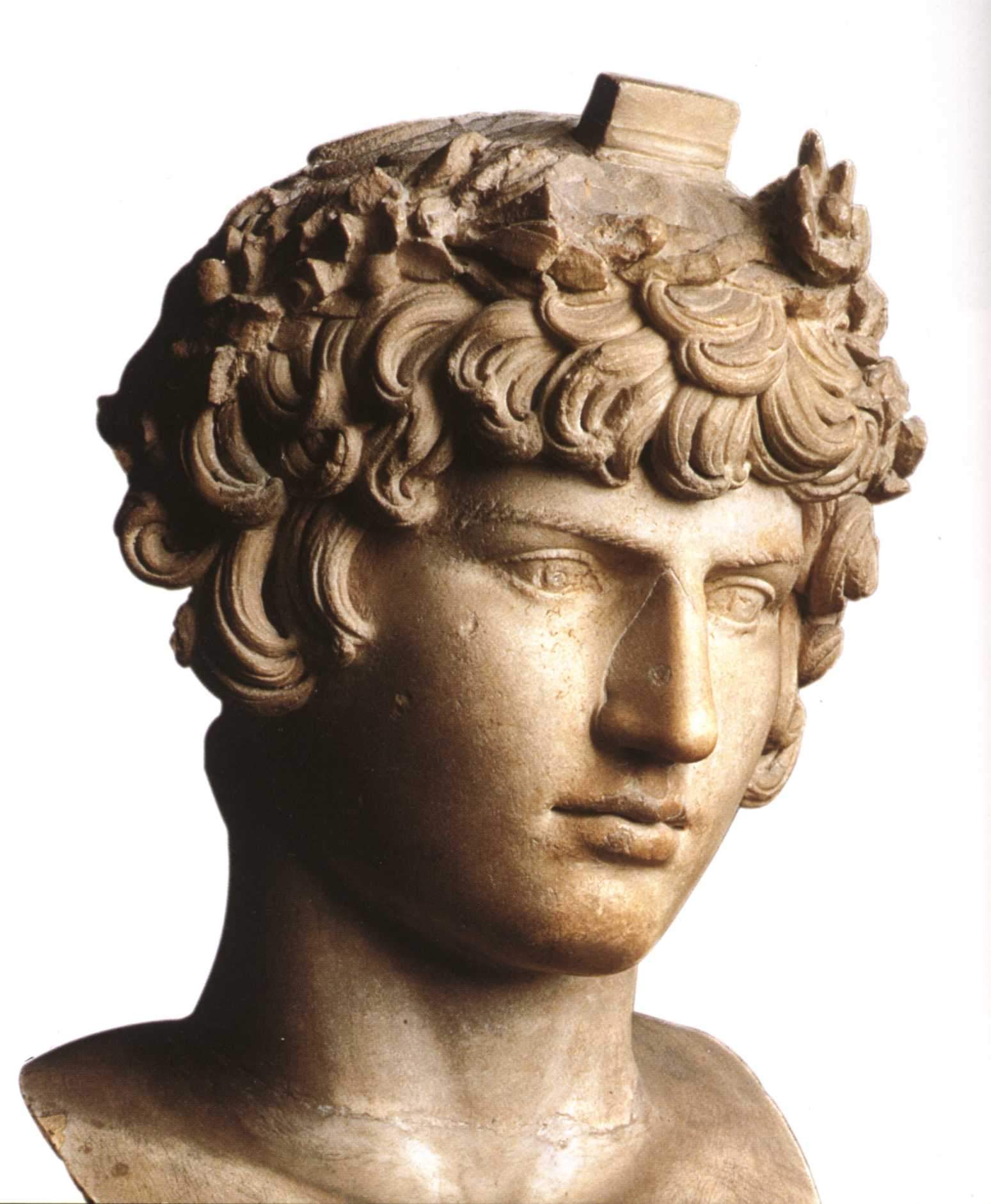
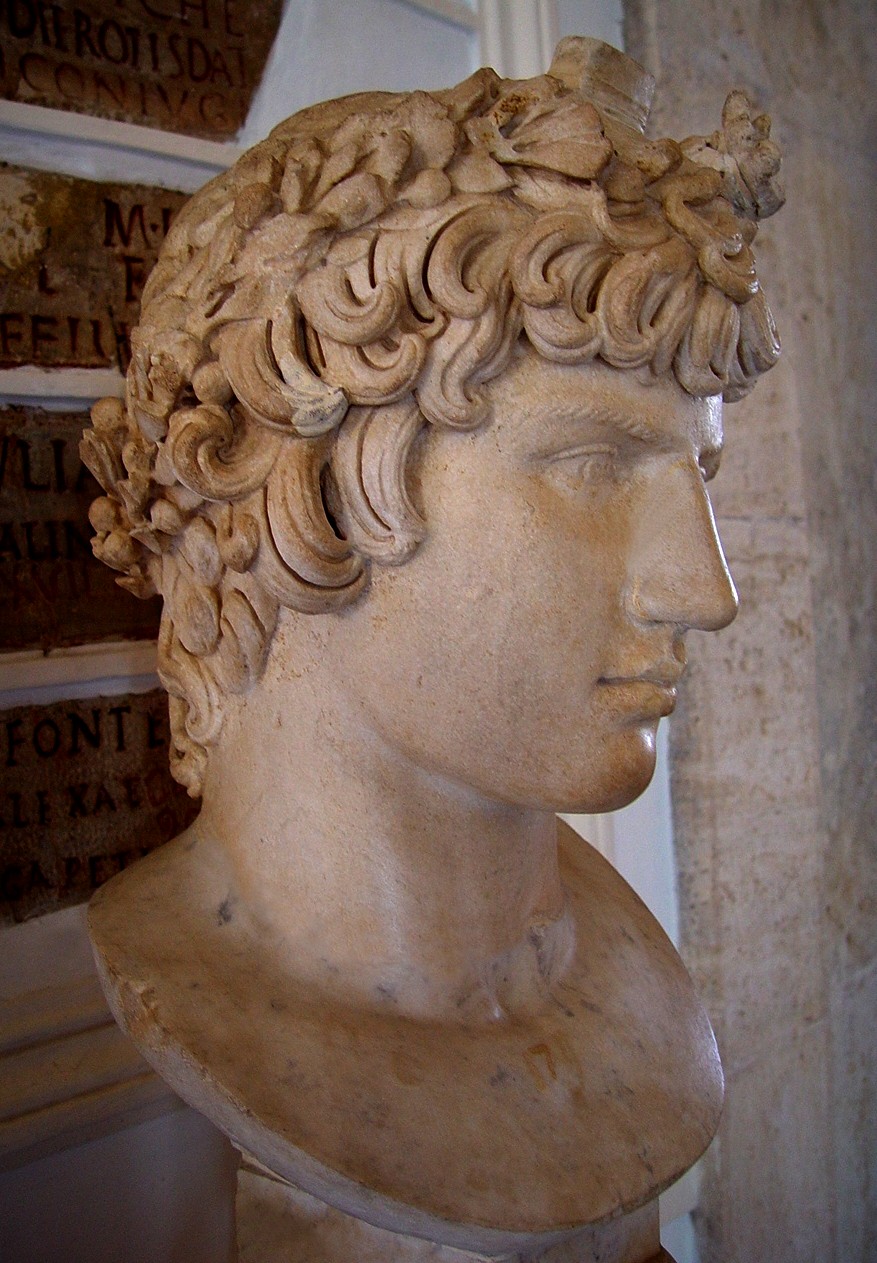
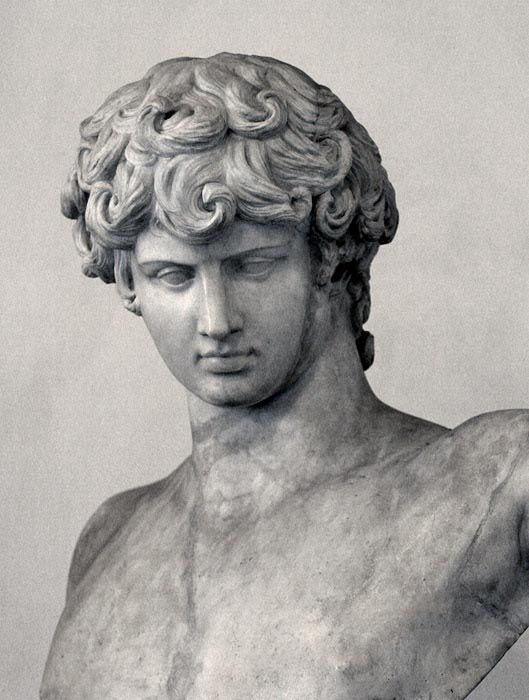
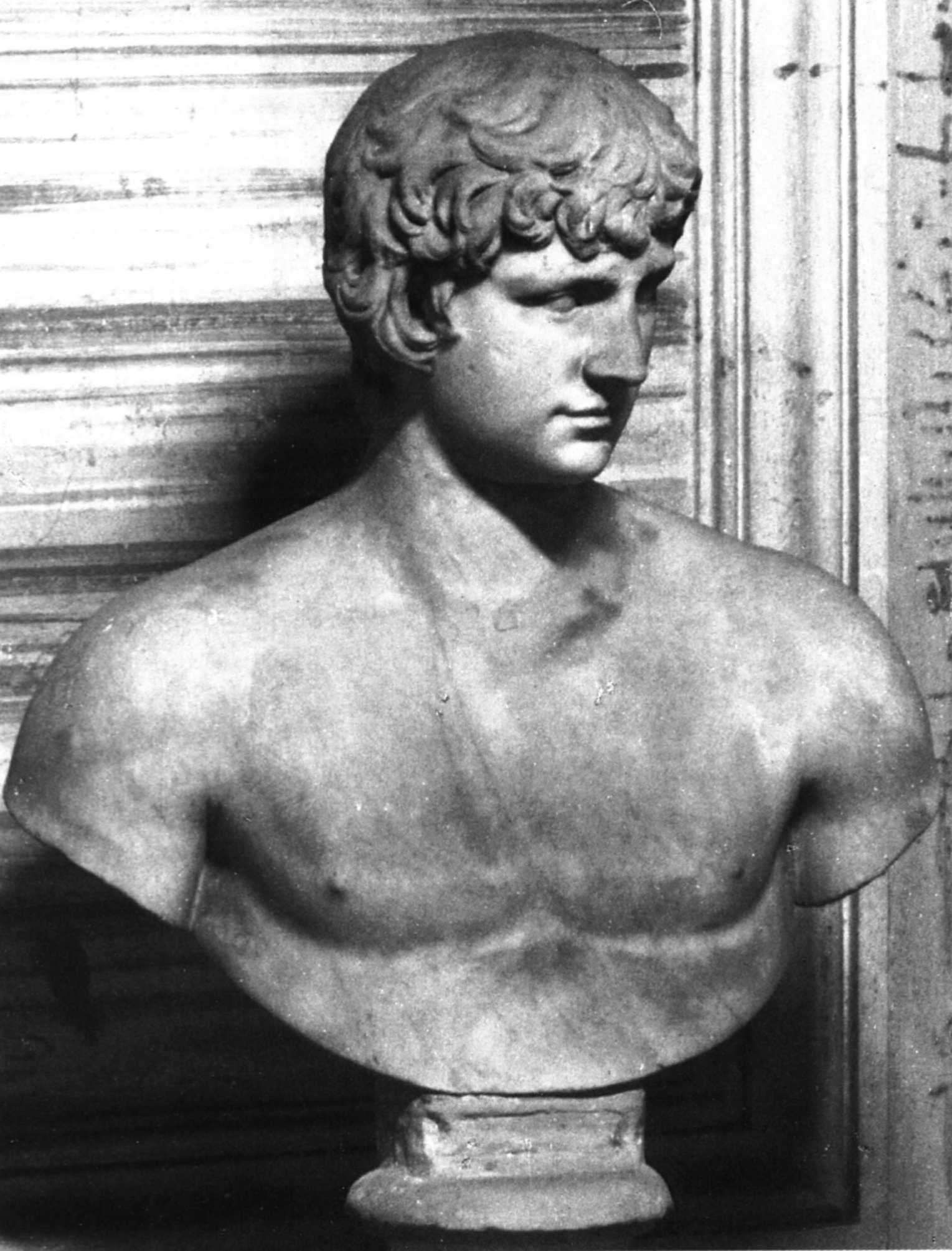
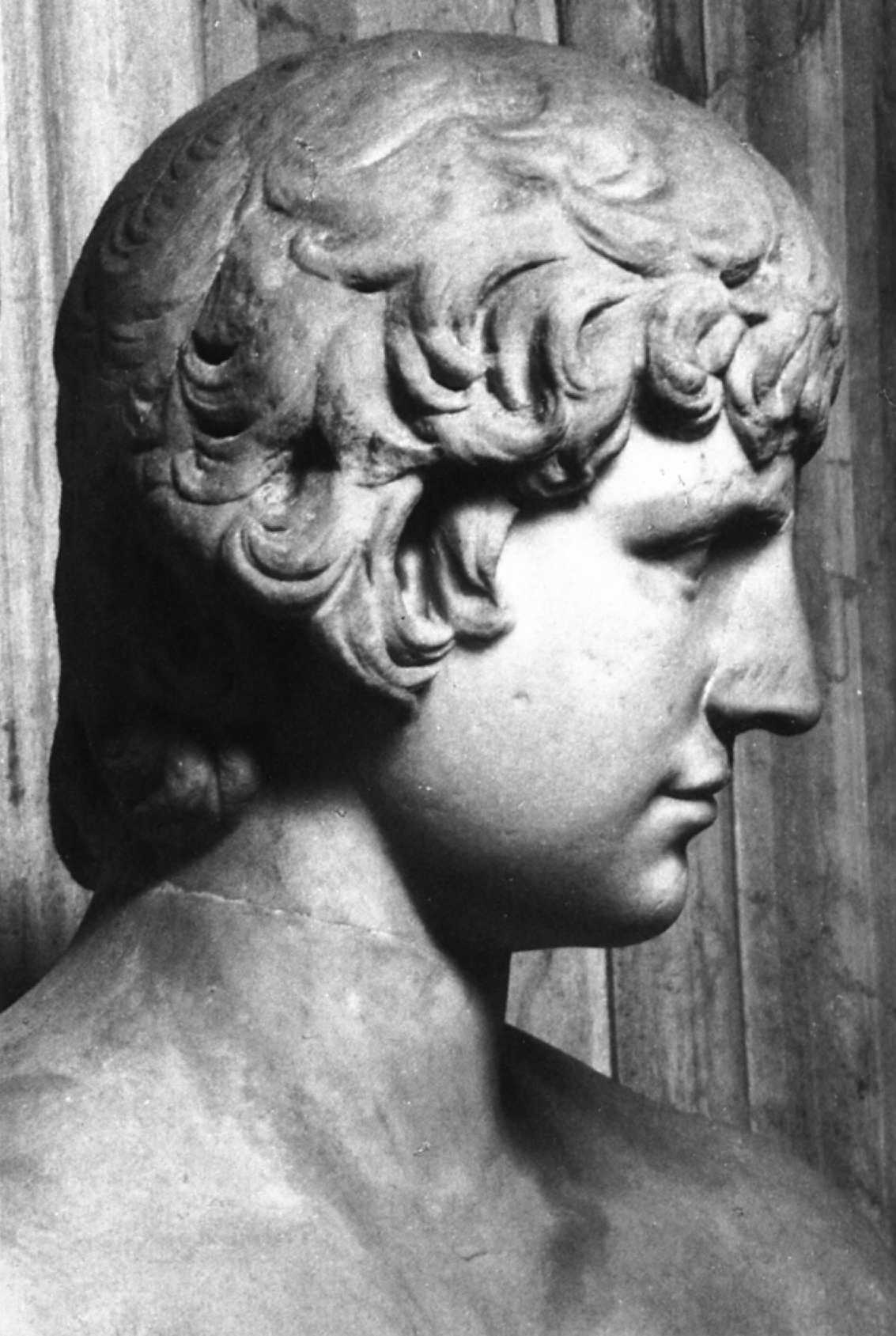
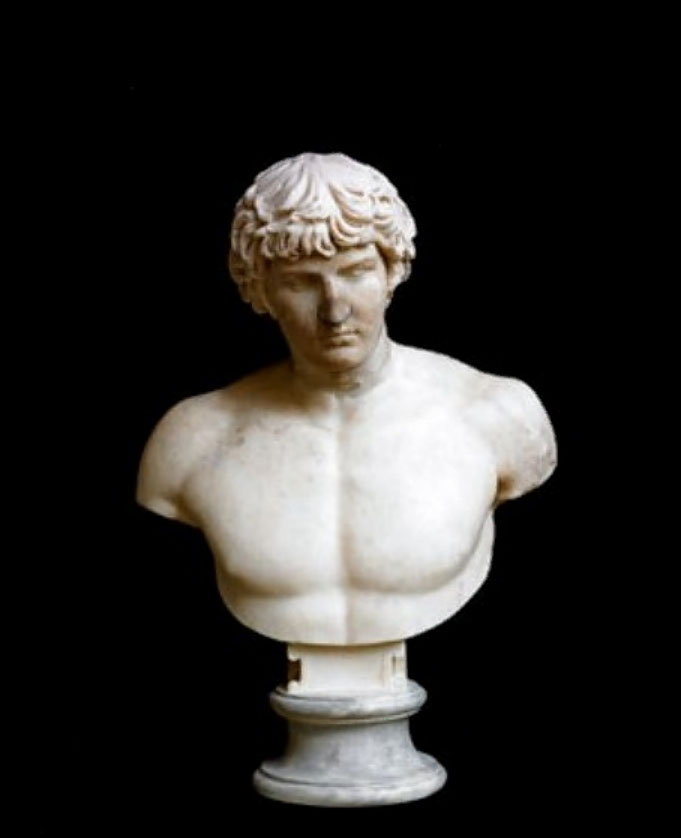
Rome, Museo Capitolino, Galleria, N° MC0294, exhibited. Acquired in December 1733 from the Cardinal Albani, and exhibited uninterruptedly in the Galleria since 1734.
«Ha la tipica espressione pensosa del giovane favorito di Adriano»
(Settimo Bocconi, 1930)
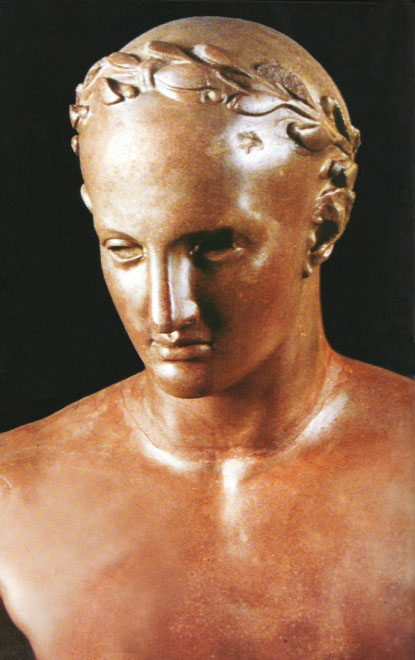
Rome, Museo Capitolino. Pirro Ligorio (circa 1510 -1583) unearthed in the Villa Adriana in the area he named the Palestra three half figures in red marble, with the heads completely shaved, and wearing olive wreaths, which he interpreted as athletes. But Serena Ensoli Vittozzini has recently interpreted the busts as generic priests of goddess Isis or as busts of Antinous acting as priest of the cuIt of Isis. These heads are in the Roman Musei Capitolini, in the Museo Archeologico Nazionale of Venice and in the Parisian Musée du Louvre.
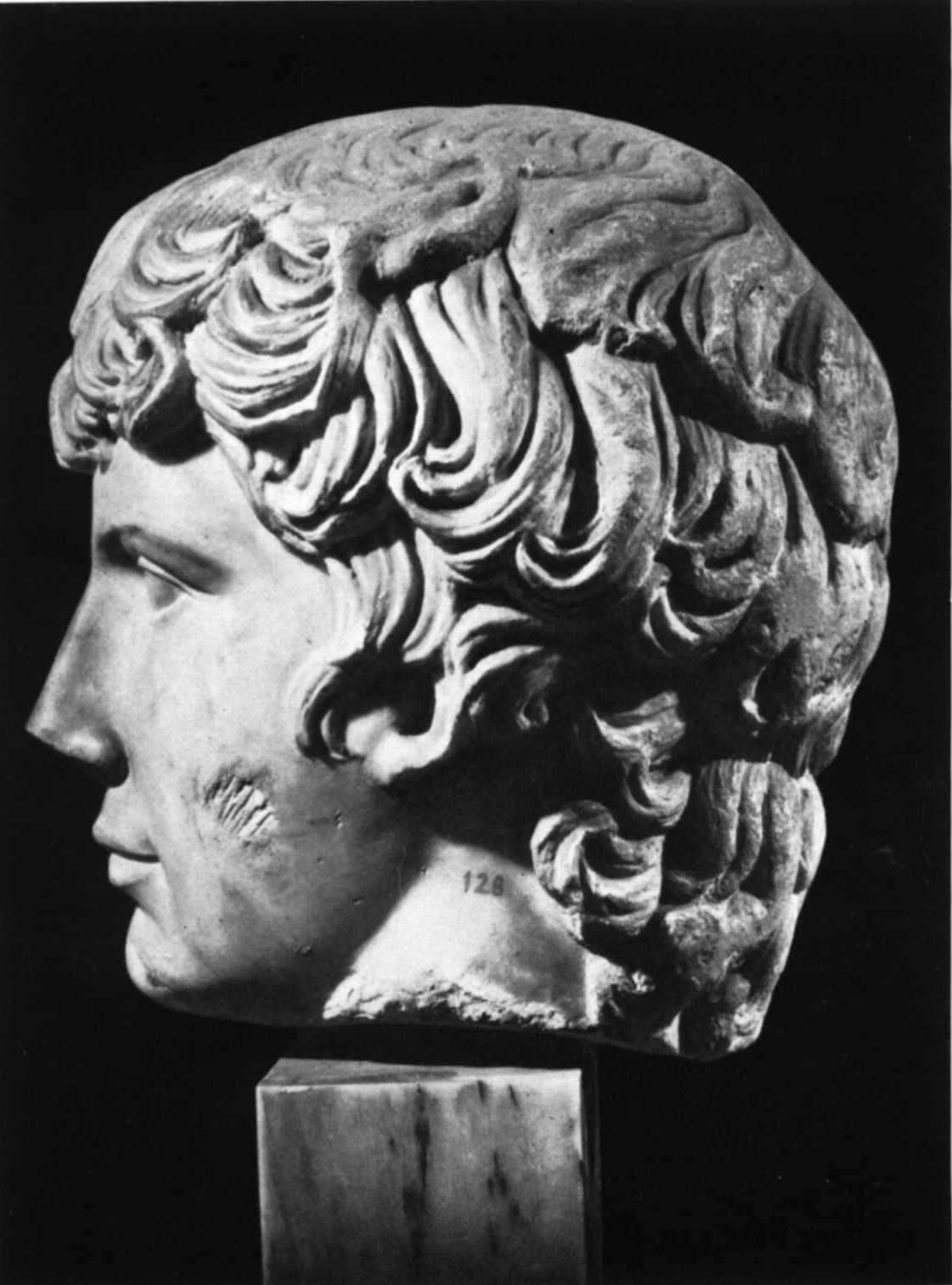
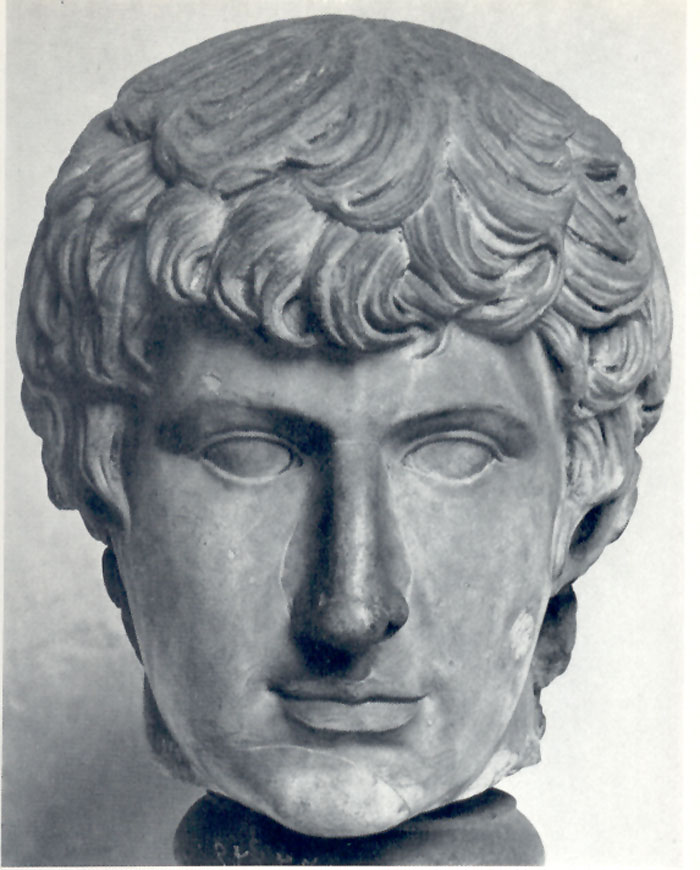
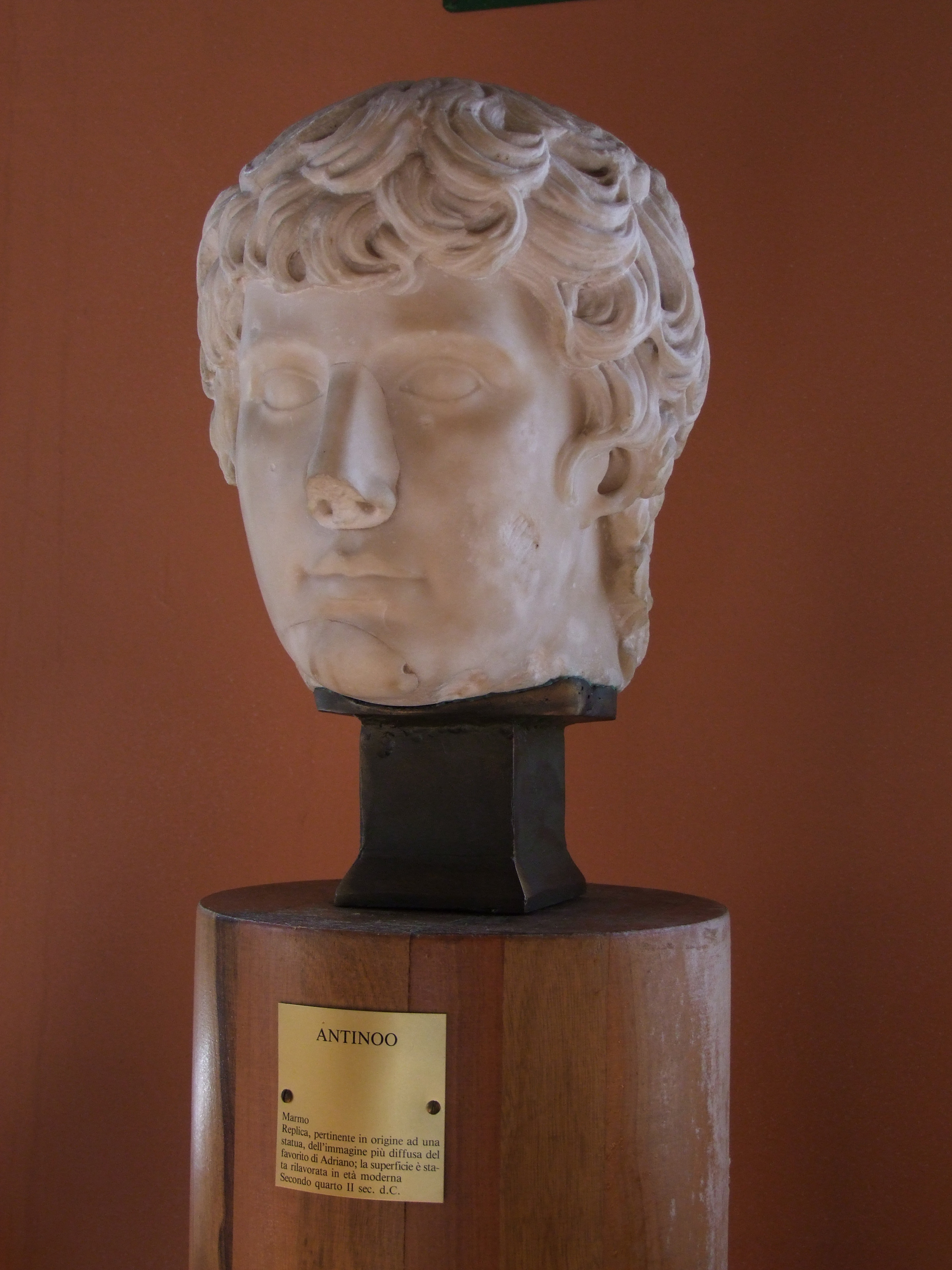
Rome, Museo Nazionale Romano, Inv. N°128576, not on exhibit. Head of Antinous, sometimes contested, found in Tivoli and acquired by the MNR from the collection Mariglia.
«Künstlerisch ziemlich wertlose Arbeit»
(Christoph Clairmont, 1966)
Rome, Palazzo Altemps, Inv. N° MNR 8620, exhibited on the ground floor. The head is modern. The origin of the bust is unknown.
«Un busto nudo di eccelente lavoro. La testa sovrapposta a questo pregiabilissimo busto è moderna e cattiva»
(Heinrich Meyer, 1830)
Rome, Palazzo Cingolani-Spinola, private collection. Supposedly found ca. 1831-1834 in Ostia.
«La bocca, viva e dalle labbra carnose, accenna ad un pacato sorriso»
(Giandomenico Spinola, 1995)
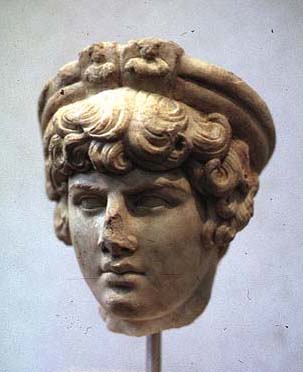
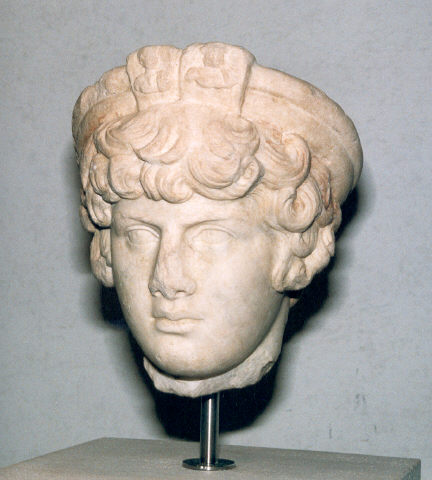
Rome, Palazzo Massimo alle Terme, Inv. No 341, exhibited in Room 2. Head of Antinous, probably as Priest of Attis, found in Ostia, Campo della Magna Mater, in the spring of 1869.
«Il volto è molto giovanile, la bocca ha labbra sinuose, ma non cosi tumide come nei ritratti più realistici ; anche l’ovale è ingentilito»
(Bianca Maria Felletti, 1953)
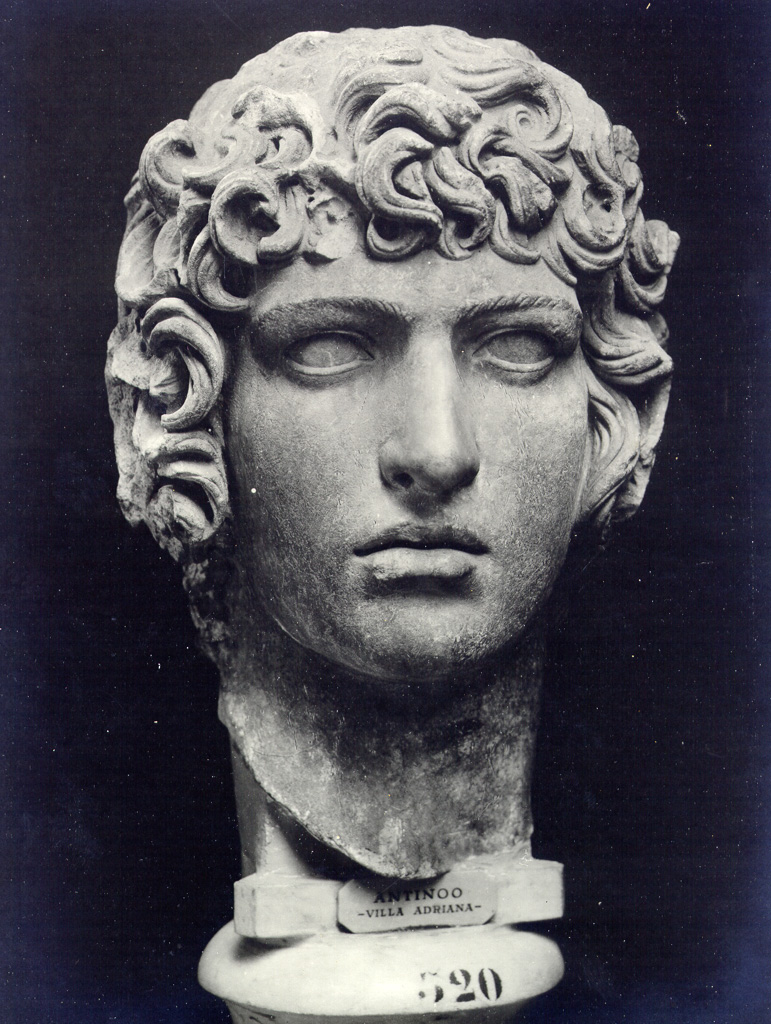
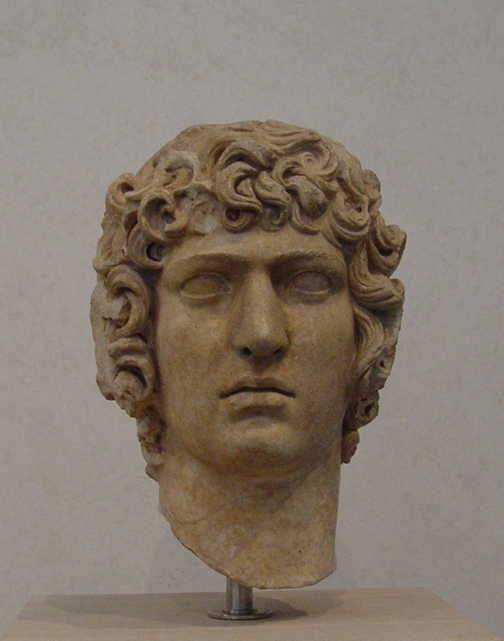
Rome, Palazzo Massimo alle Terme, Inv. N° 1192, exhibited in Hall V. Found in the Villa Hadriana.
«Der Kopf strahlt so viel Göttlichkeit aus, daß man das Porträt in ihm geradezu suchen muß. Das Pathos bricht aus den Augen»
(Theodor Kraus, 1959)
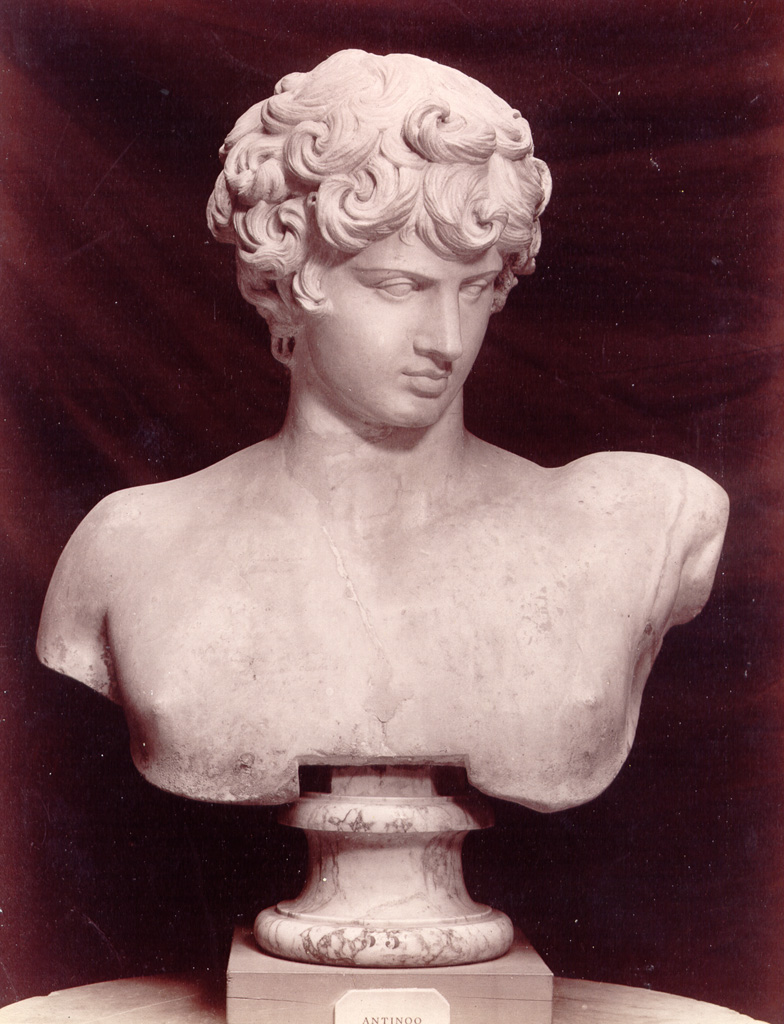
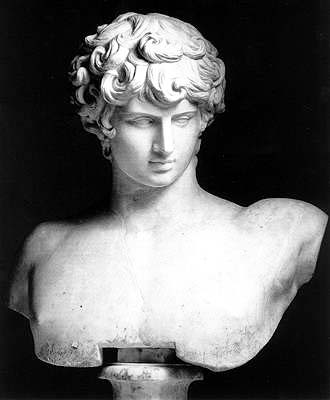
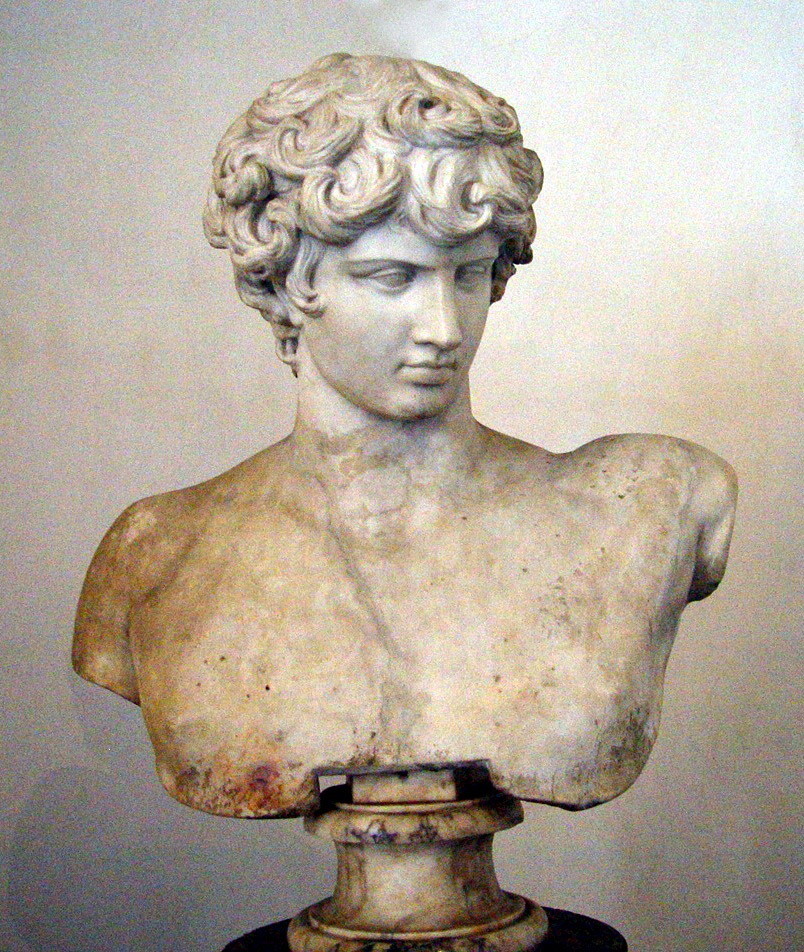
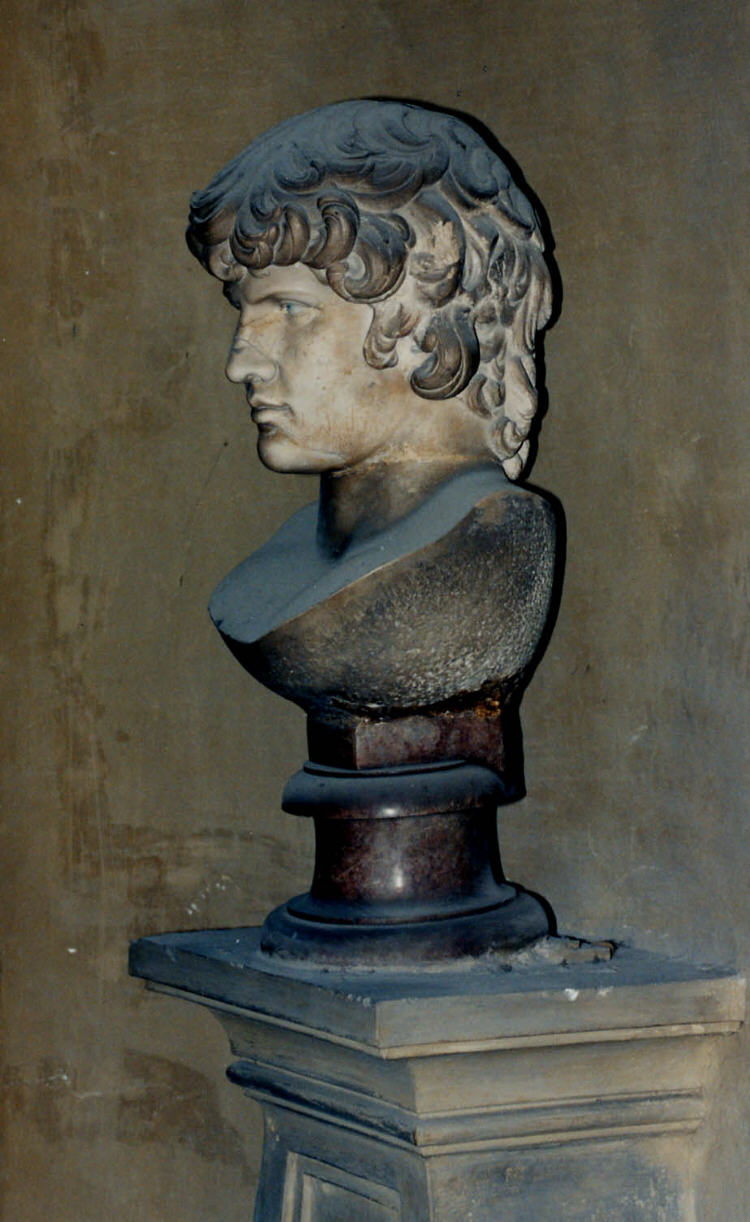
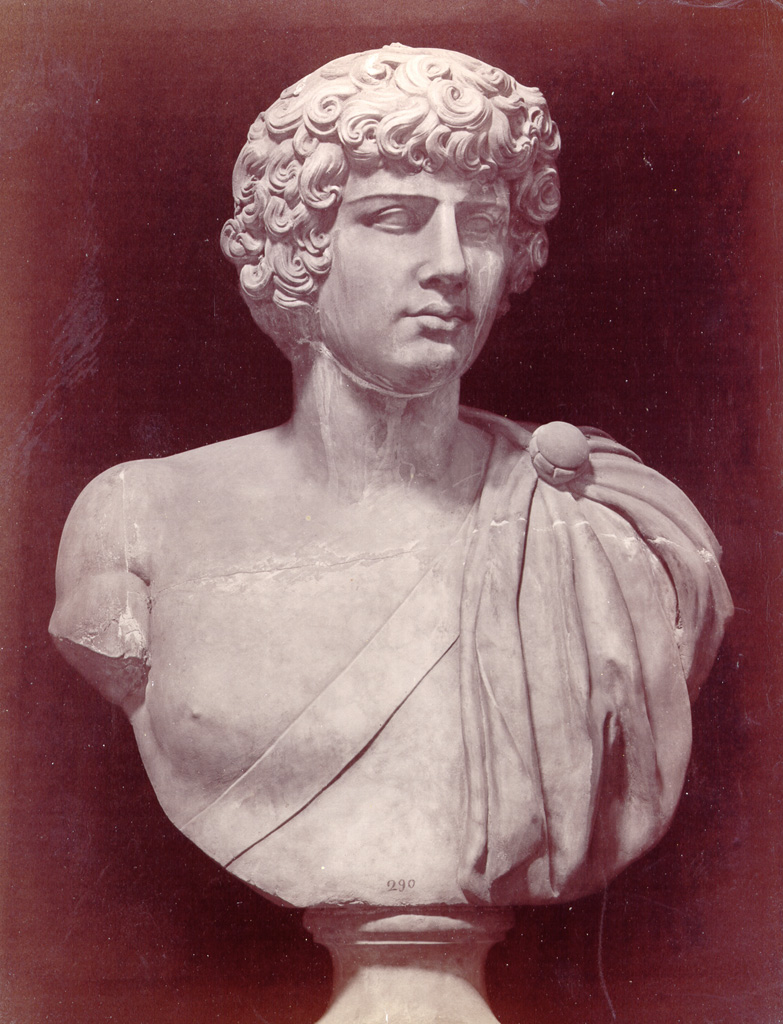
Rome, Villa Albani (private collection). Inv. N° 290. Much restored bust, with apparently original fragments. Origin unknown.
«Nous voyons dans cette sculpture un des portraits les mieux conservés du jeune Bithynien»
(Pietro Ercole Visconti, 1870)
Rome, Villa Albani (private collection). Inv. N° 1013. Relief of unknown provenance, restored arbitrarily towards the middle of the 18th century with a contemporary head of Antinous.
«La cabeza, por cierto, es magnífica. Las mejillas, los ojos, las cejas son impecables. Los cabellos sobre la frente, el rostro y la nuca son exelentes»
(Francisco de la Maza, 1966)
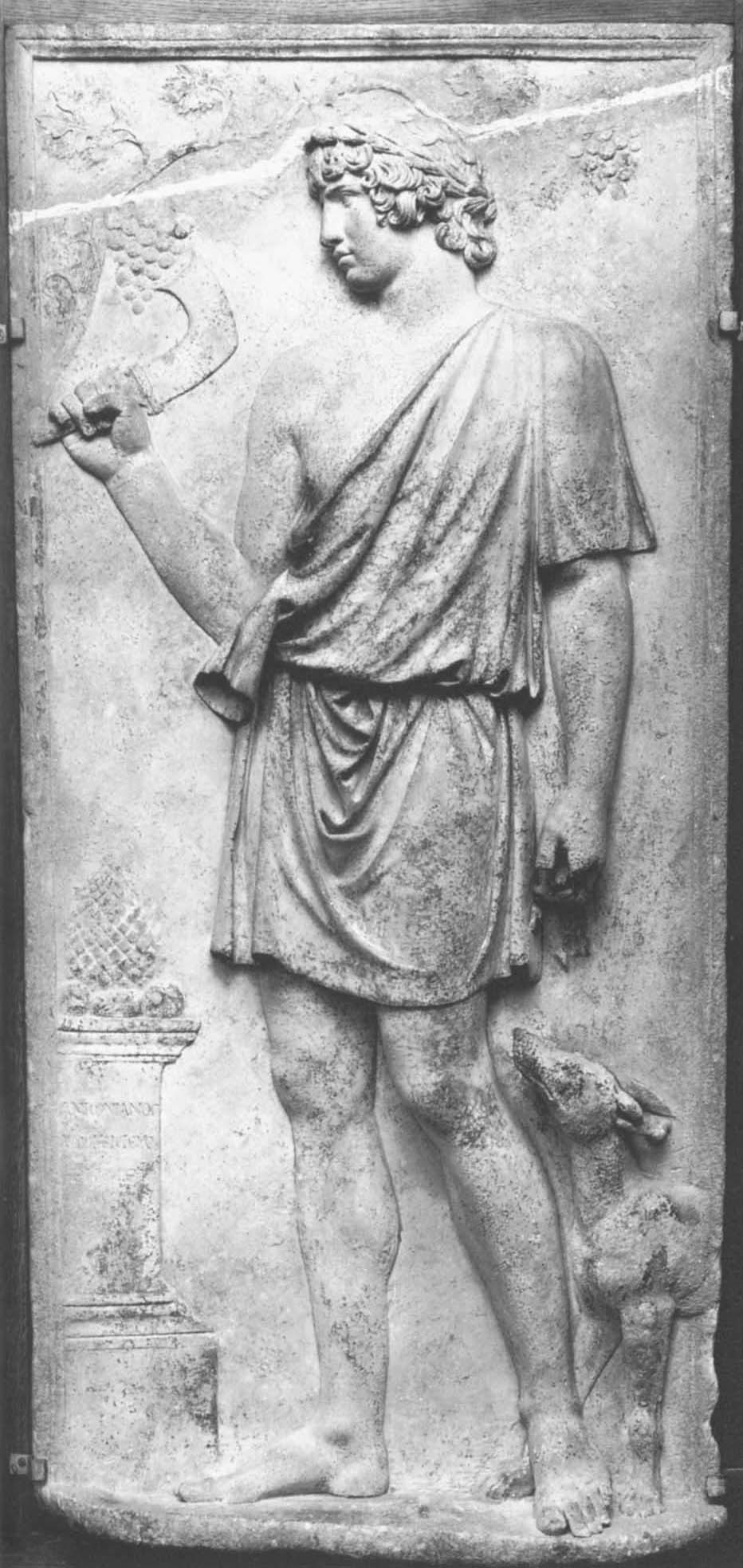
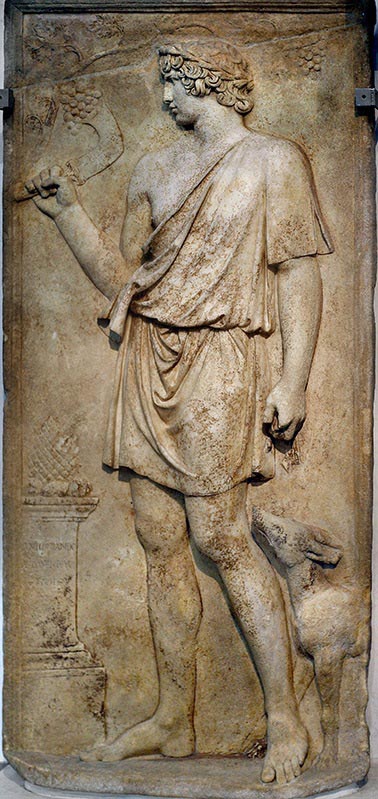
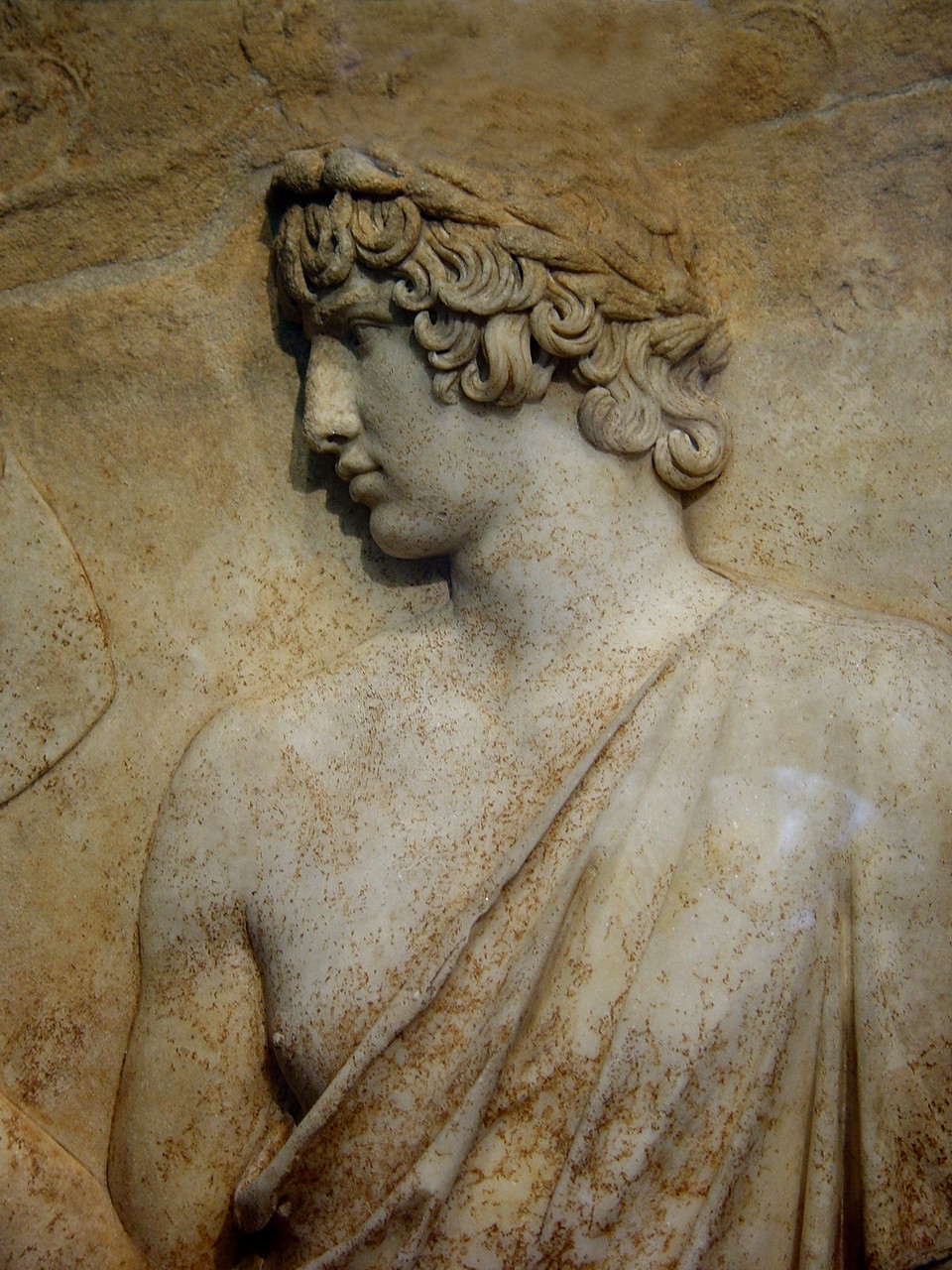
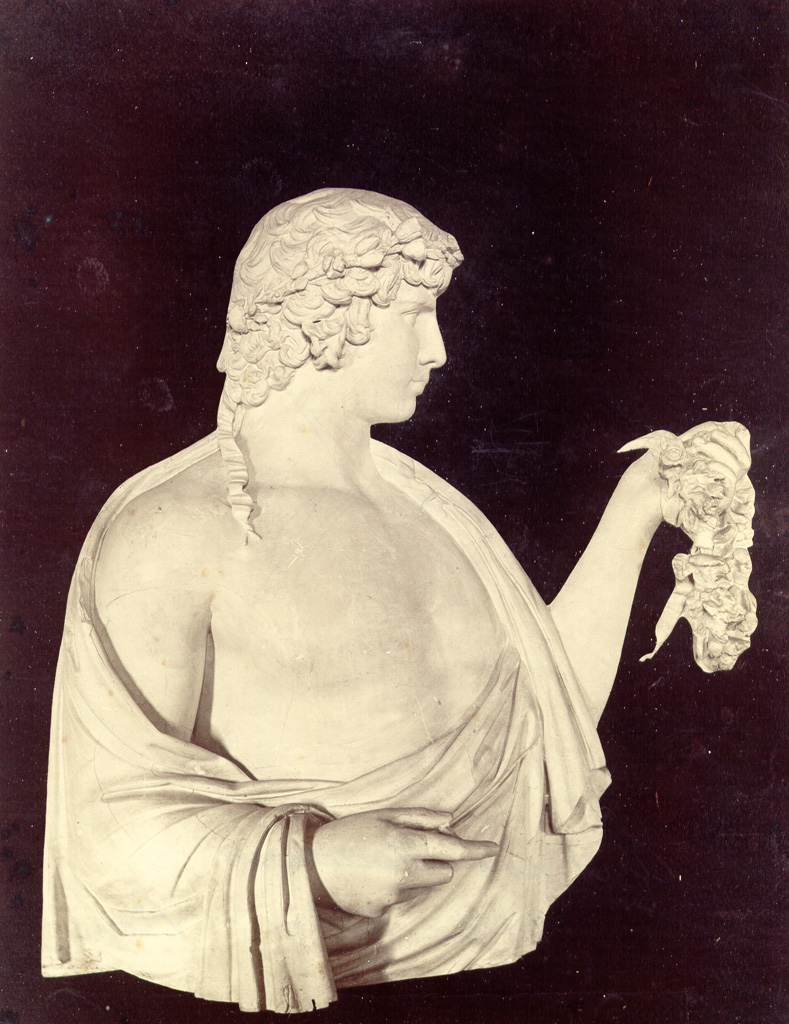
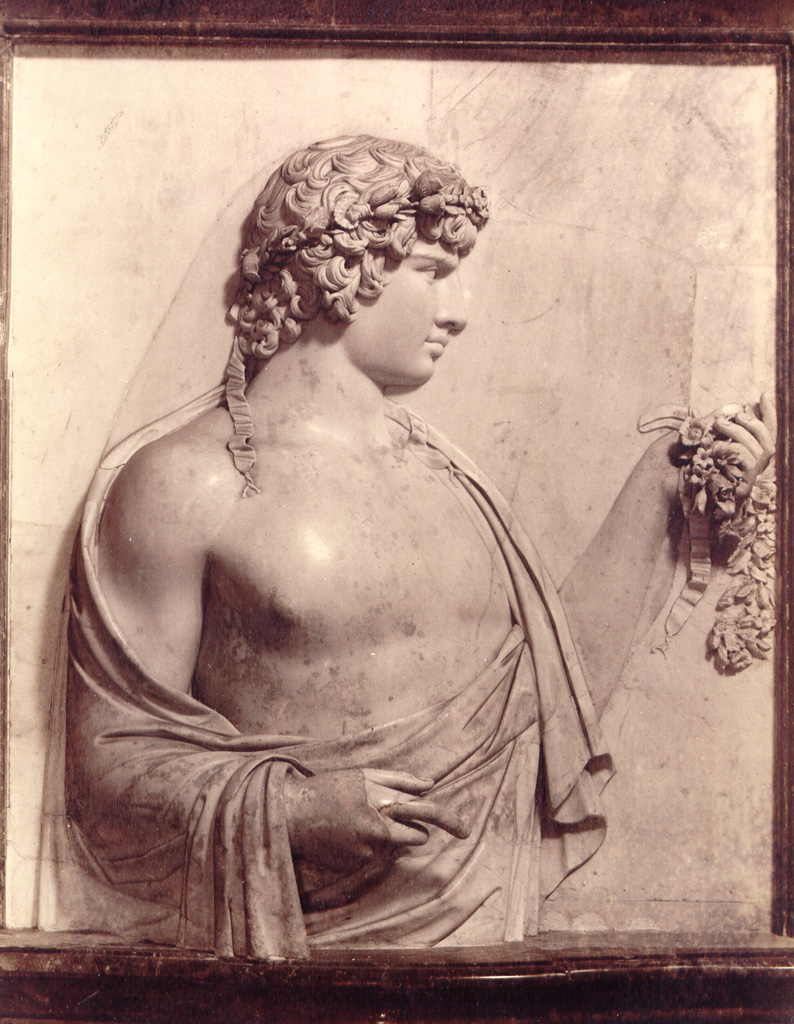
Rome, Villa Albani (private collection). Found in 1735 in the Villa Hadriana. Immediately bought by the Cardinal Alessandro Albani, hence referred to as “Albani Relief” as of the end of the 18th century. Although the Villa Albani belongs to House of Torlonia since 1866, this relief is still kept at exactly the same place where the Cardinal had it displayed in 1760/62.
«Questo singolarissimo bassorilievo può dirsi con sicurezza miracolo dell’Arte statuaria»
(Domenico-Augusto Bracci, 1784)
Look also at the replic on our copy page
Rome, Villa Borghese. Head of a non-pertaining bust.
Rome, Palazzo Doria-Pamphili. Modern bust of Antinous as Bacchus
San Antonio
English: San Antonio, Texas, Art Museum. Inv. No. 86.134.164. Height 36.2 cm. This head of Antinous, wearing an ivy wreath, depicts him as Dionysos. With his right hand laid on the top of the head, the statue to which it most probably belonged might have been similar in pose to the portrait
statue from Leptis Magna
. The forehead and front of the hair are worked for the attachment of locks of hair in plaster, now removed. Ownership history: Sotheby's, New York, 1-2 March 1984; collection of Gilbert M. Denman, Jr., from 1985 to 1986, who then presented it to the Museum.
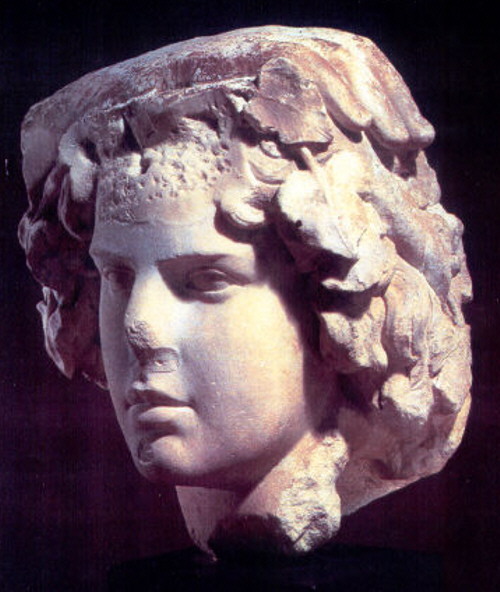
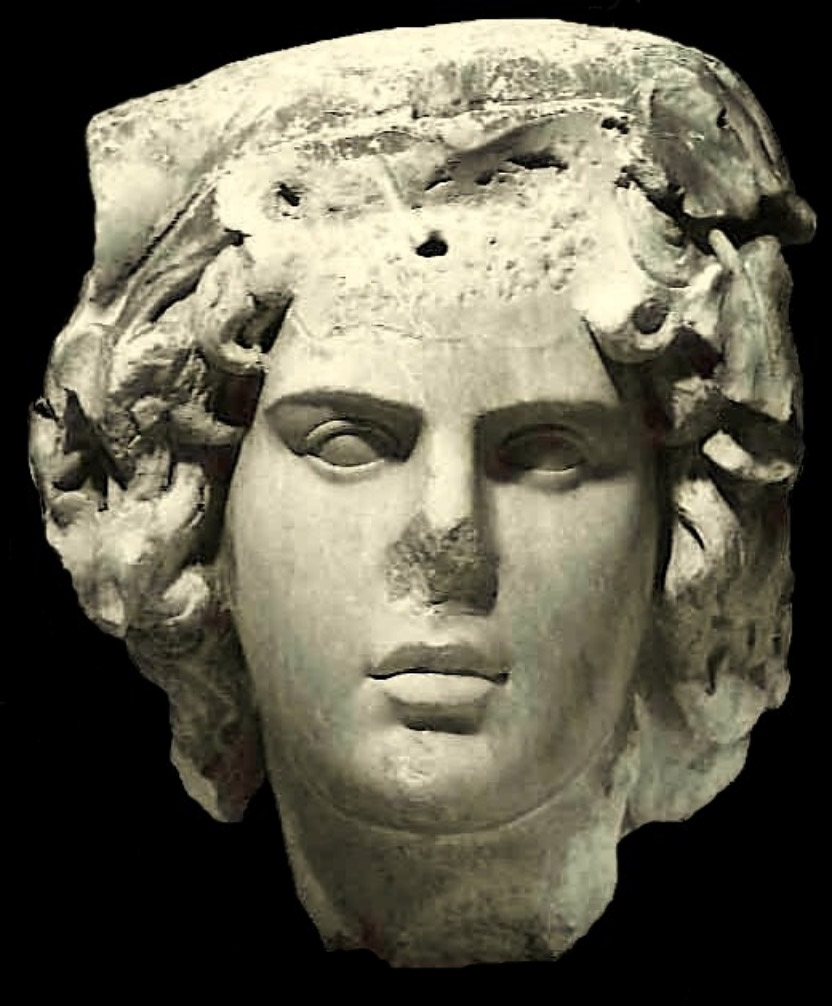
San Antonio, Texas, Art Museum. Portrait of Antinous, Inv. No. 2005.1.84. Height: 23.7 cm. The nose is restored, and there are several drill holes in the hair for the attachment of a wreath. In 1924, this head formed part of the art collection belonging to the estate of Joseph Brummer, New York. After his death in 1947 it was acquired by the Walters Art Gallery of Baltimore, MD (Inv. No. 23.127). In 1991 it was sold at Sotheby's, New York, to raise funds and was bought by Gilbert M. Denman, Jr., who owned it until 2004, when he bequeathed it to the San Antonio Museum of Art. Exhibited in the Denman Gallery of the Ewing Halsell Wing devoted to the Greek and Roman collections, reopened to the public 2007.
Sevilla (Spain)
Sevilla, Casa de Pilatos. Little known head of Antinous on non pertaining bust, 59 x 67 cm, recently restored. Acquired by Don Per Afán Enriquez de Ribera (1509-1572), 1st duque of Alcalá, when viceroy of Spain in Naples from 1559, and sent to Sevilla upon his death. In the middle of the 17th century, the properties of the House of Ribera passed to the House of Medinaceli, present owner of the Casa de Pilatos. «Puede contarse entre los retratos selectos de Antinoo» (Manuel Gómez Moreno & José Pijoán, 1912).
Stockholm
Stockholm, Royal Palace, Gustav III's Museum of Antiquities, Lesser Stone Gallery, n°56. During his visit of Italy in 1792, Gustav III, king of Sweden (1771-1792), bought about 150 Roman marbles belonging to the collection of Giovanni Battista (Giambattista) Piranesi (1720-1778), and that were sold by his son Francesco. Gustav III collection became accessible to the public in 1794. Today, after several modifications, the whole collection is anew displayed exactly the same way as then, Antinous standing on a half-column at the end of the gallery. Of the bust, only the right shoulder, that was unearthed in the Villa Hadriana, is antique; its comparison with the one of Florence enabled its identification and restoration by an Italian workshop. This bust of Antinous is listed with the number 37 amongst the objects sold to the Swedish monarch in the catalogue done in 1792 by Giuseppe Angelini, a neoclassical sculptor who helped Giambattista Piranesi to restore some of the marbles of his collection. The catalogue has been published by Rossana Caira Lumetti: “La cultura dei Lumi tra Italia e Svezia. Il ruolo di Francesco Piranesi, Roma 1990".
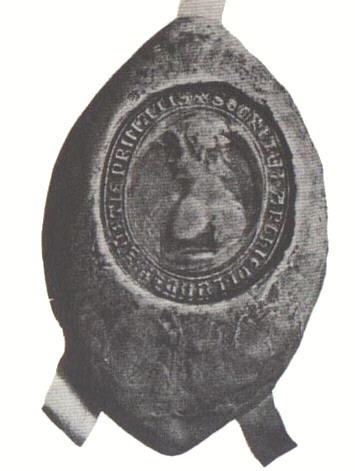
Stockholm, Seal with Antinous head, supposedly of a Christian Bishop in the 14th Century, Swedish State Archive, known since the mid-14th Century.
St. Petersburg
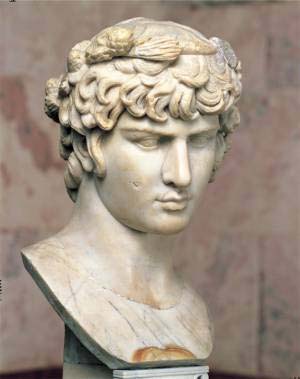
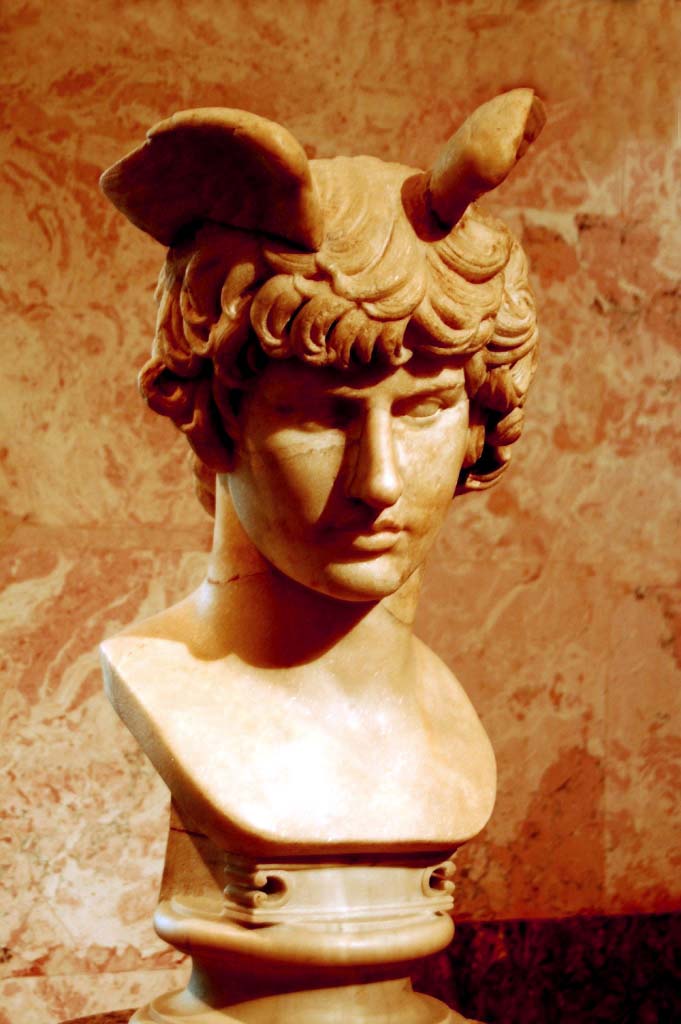
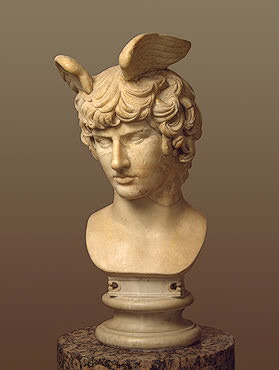
St. Petersburg, State Hermitage, Inv. N° A.27, exhibited. Supposedly found in 1768 in the Villa Hadriana. First photo © 2005 Photo by Sergej Sosnovskij at
ancientrome.ru
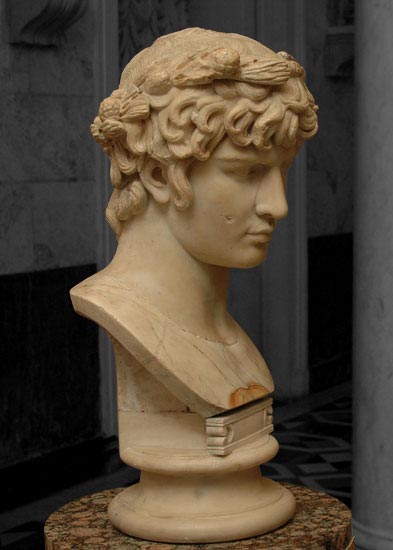
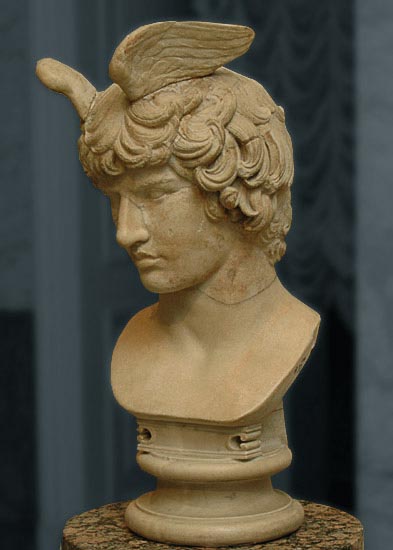
St. Petersburg, State Hermitage. Inv N° A.30. Found (without the wings, which are modern) in the Villa Hadriana, 1769. Bought in Rom in 1777 for the Eremitage. Fourth photo © 2005 Photo by Sergej Sosnovskij at
ancientrome.ru
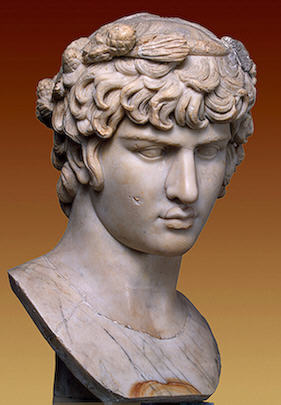
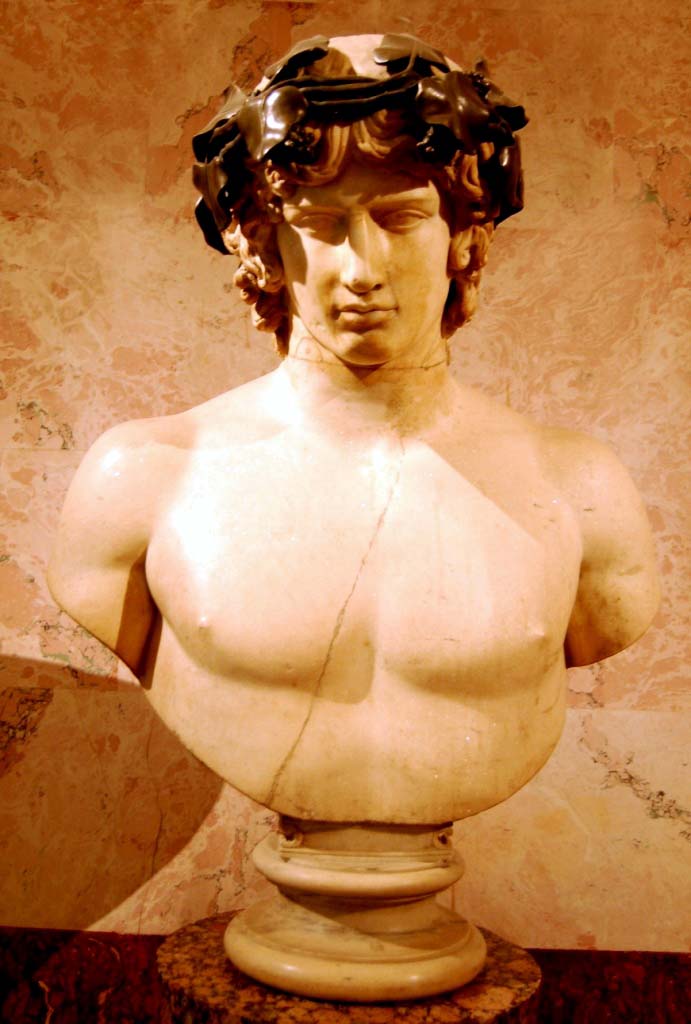
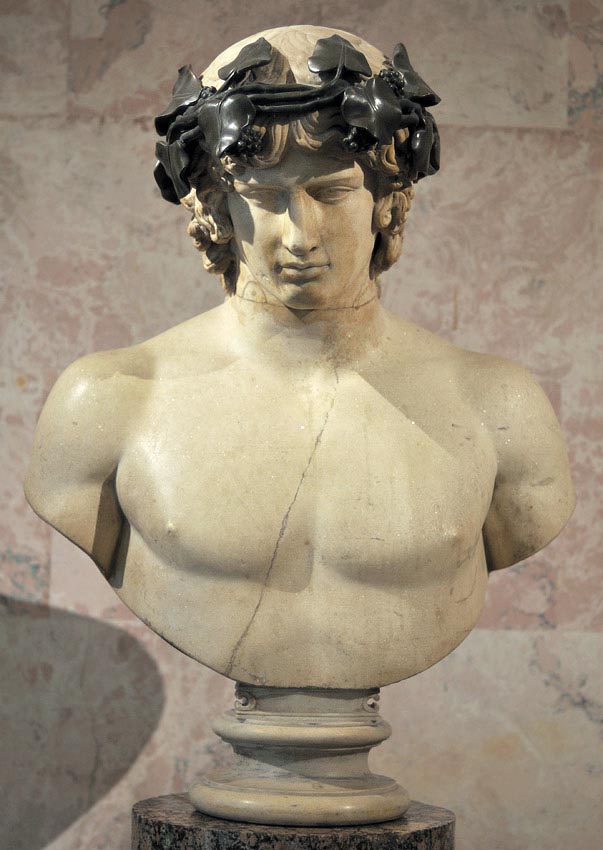
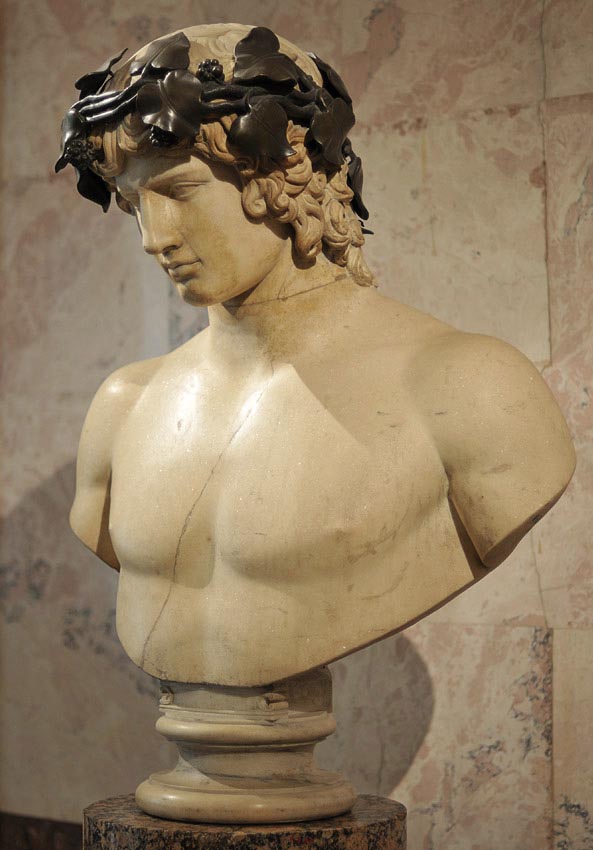
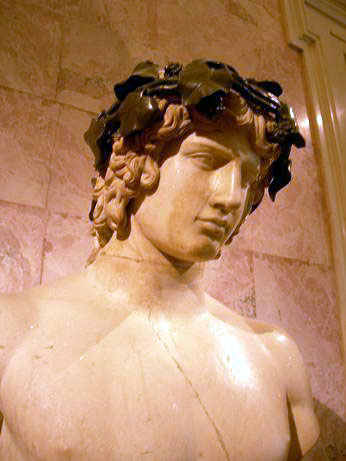
St. Petersburg, State Hermitage, Inv. N° At 431, acquired 1862 from the Campana Collection in Rome. Second, third, fourth and seventh photo © 2008 Photo by Sergej Sosnovskij at
ancientrome.ru
. «Buste magnifique d’Antinoüs : il est difficile de voir un antique d’un style plus pur»
(Henry d’Escamps, 1856)
Tarento (Italy)
Tarento, Museo Archeologico. Head found in 1957 during excavations in Brindisi, Via Casimiro.
«Una bella testa di Antinoo»
(Nevio Degrassi, 1957)
Tarragona (Spain)
Tarragona, Museu Nacional Arqueològic; Inv. N.: MNAT 45406, exhibited. Statue (95cm high), in white Parian marble, from the Roman villa of "Els Munts", near Altafulla (Tarragonès), the residence of a prominent person in the provincial administration of Hispania Citerior. The head was found on the 20 August 1968 in the water tank of the villa, where it had been disposed of soon after Theodosius 1st decree 382 which prohibited pagan cults. The rest of the statue was found in the sector of the cubicles adjacent to the villa's cryptoportico, during the 1996-97 excavation campaign, carried out in this important archaeological complex within the "territorium", the territorial limits, of the Roman city of Tarraco (the modern Tarragona).
«La posición de la cabeza, ligeramente alzada y vuelta hacia la derecha, de una forma algo patética, la diferencia de otras imágines del mismo personaje»
(Eva Maria Koppel, 1993).
Toronto
Toronto, Royal Ontario Museum. Inv. N° 925.23.24. Reworked head of Antinous set on a not-pertaining torso of Dionysos. Acquired in 1925. Previously in the English collection Donaldson.
«An expression of dreamy repose»
(Cornelia Harcum, 1927)
Tripoli (Lybia)
Tripoli, Archaeological Museum. Inv. N° 12, exhibited since 1965 in a niche of the ground floor. Found 1924, and head, 1925, in Hadrian's thermal baths in Leptis Magna.
«Un essere umano che diviene iddio»
(Renato Bartoccini, 1929)
Tunis
(Tunisia)
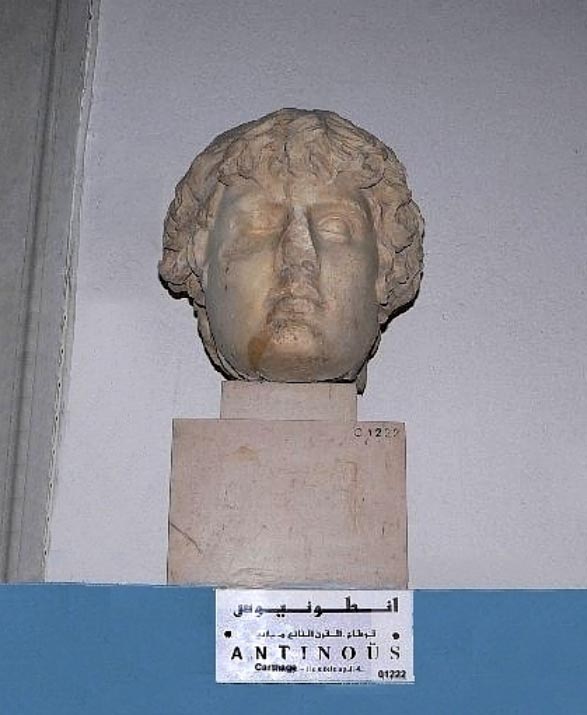
Tunis, Musée du Bardo, exhibited in the "l’Odéon de Carthage". Head found in the Odeon of Carthage, in February 1912. Inv No C.1222.
«Travail élégant et souple, yeux profonds et rêveurs, lèvres charnues et sensuelles»
(Stéphane Gsell, 1913)
Turin
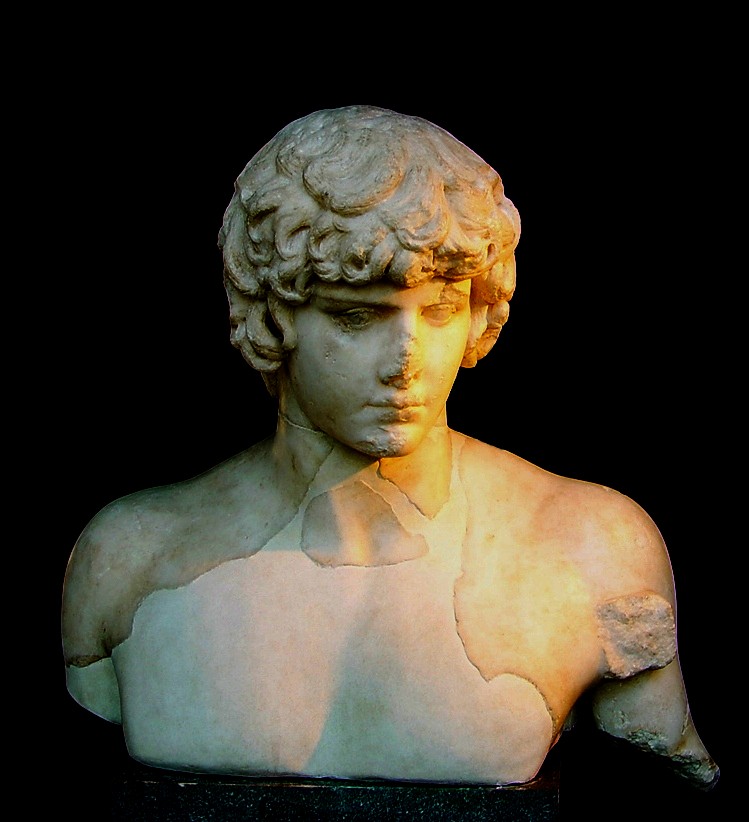
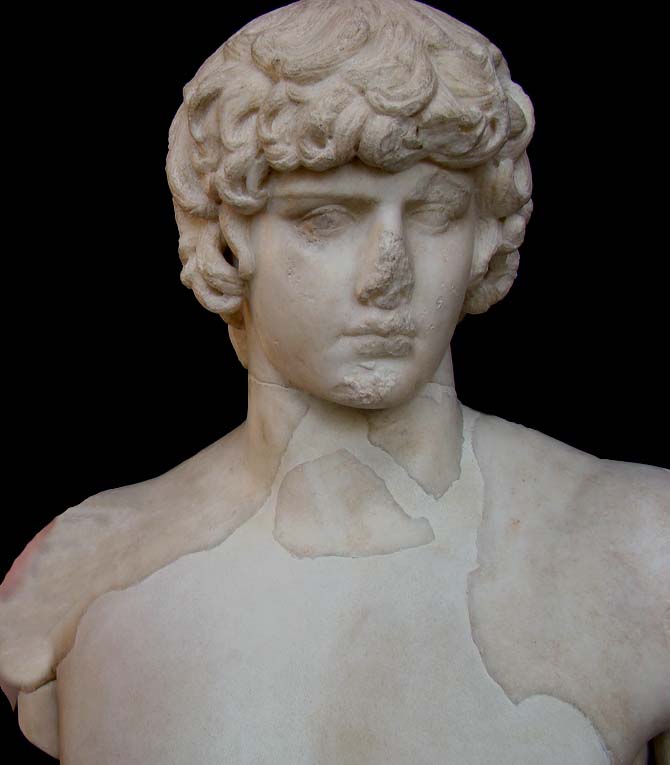
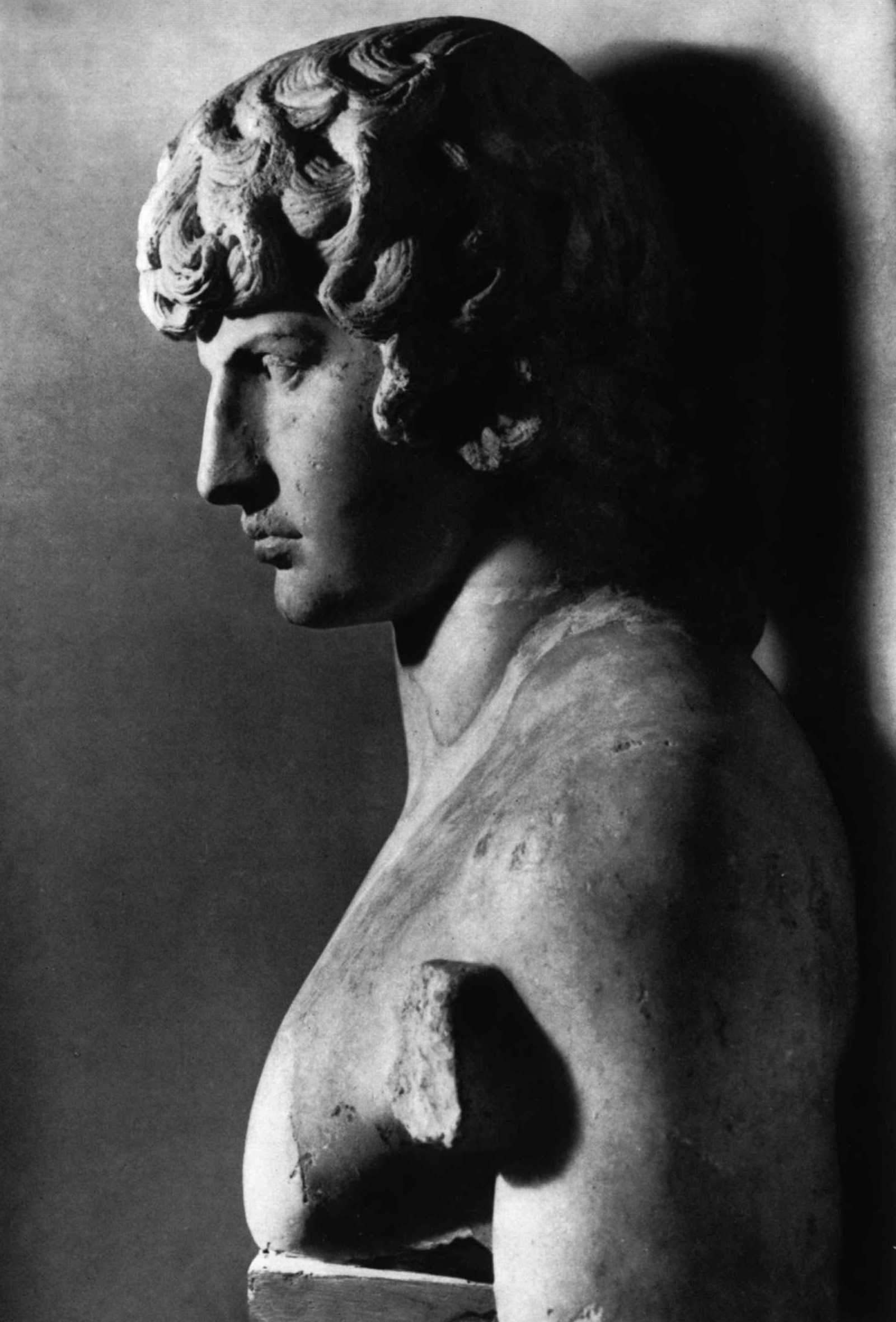
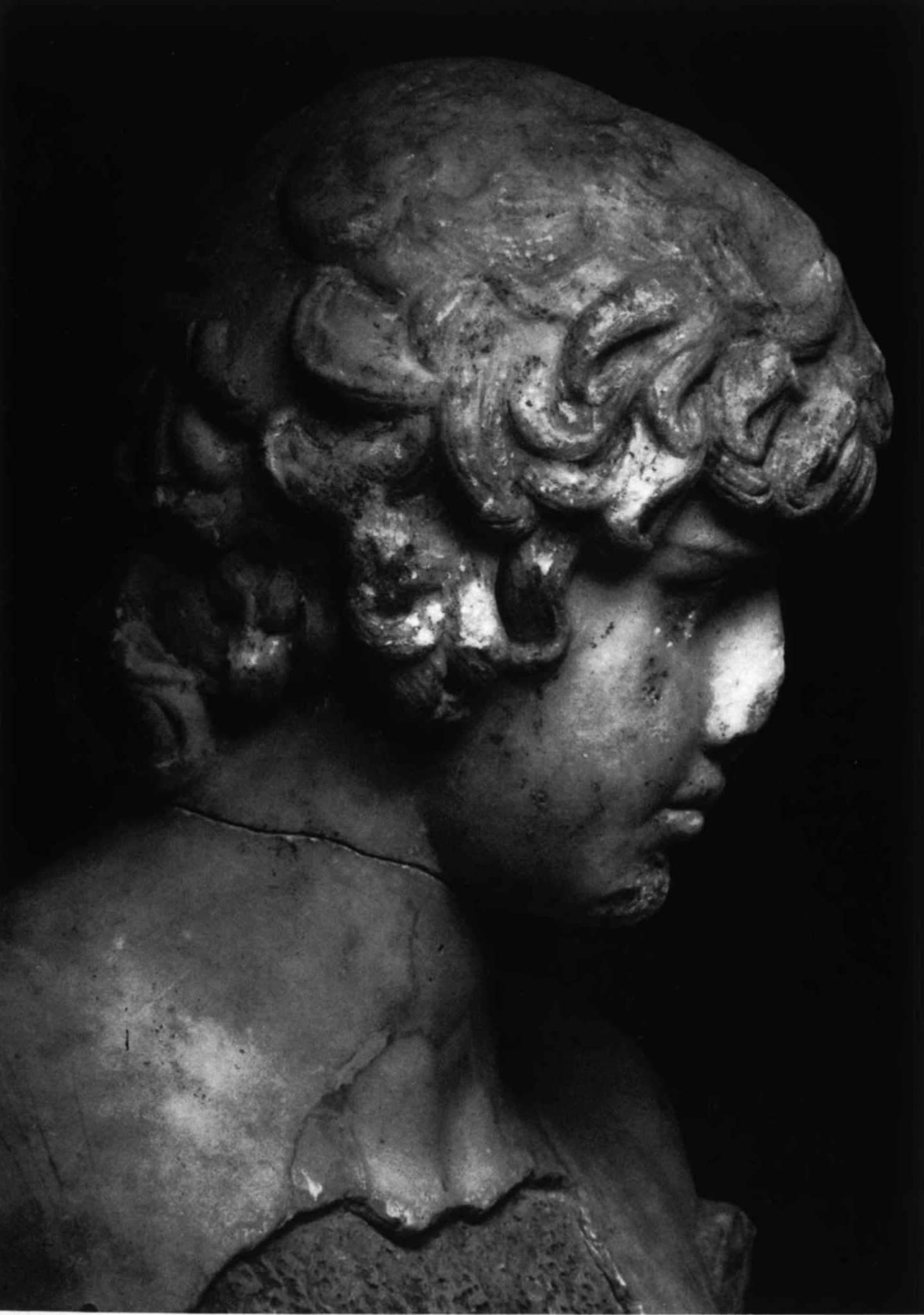
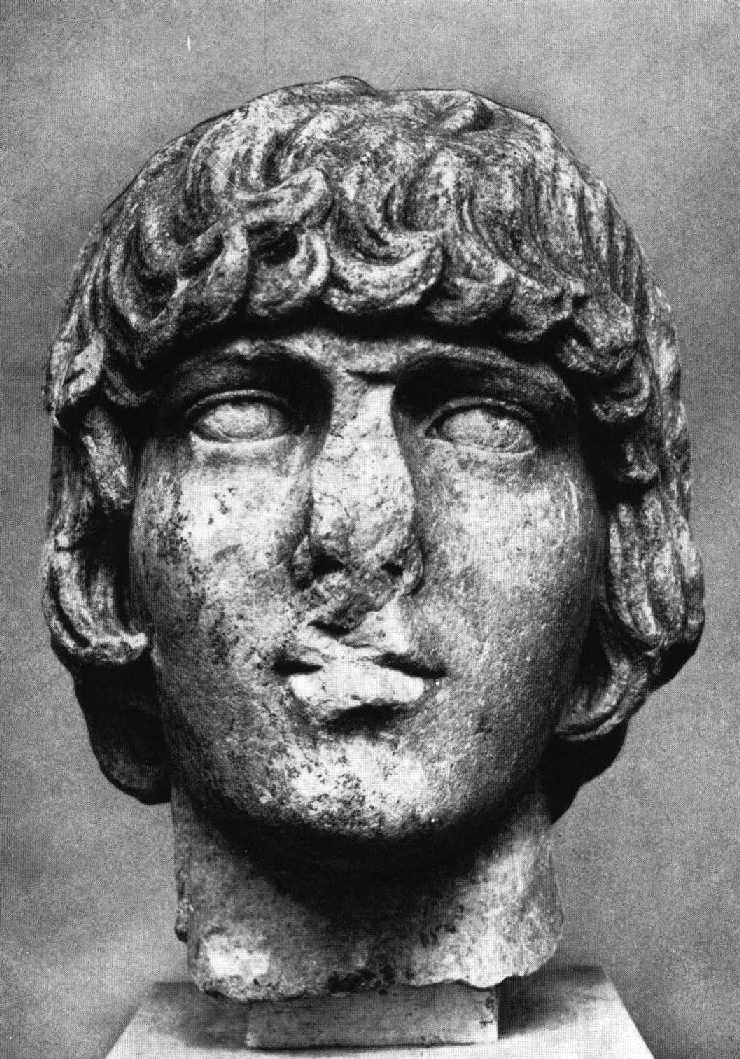
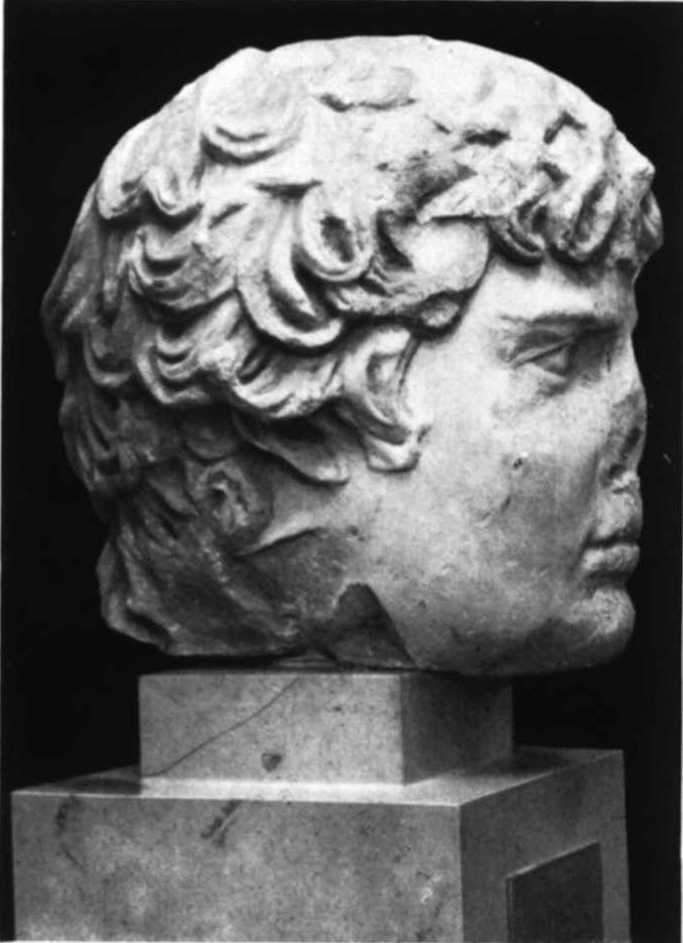
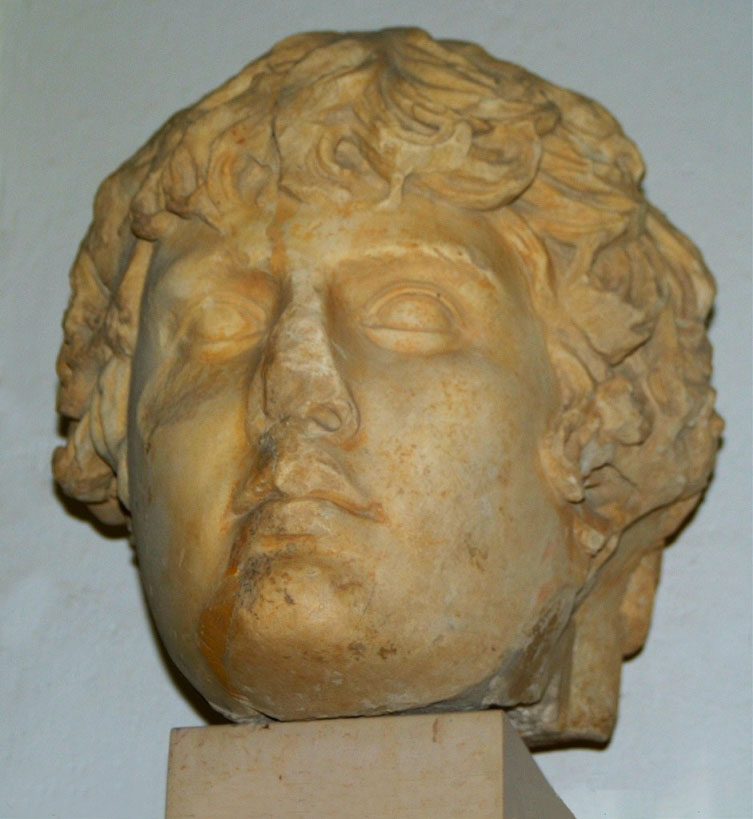
Turin, Museo di Antichità (former glasshouse of the Royal Palace), Inv N° II.128. Head of Antinous. Its provenance and its date of acquisition by the royal collections of Piedmont-Sardinia are unknown, but its presence is likely to go back quite a long way up into the 18th century. The head is attested in July 1823, mounted on a non-pertaining bust and the nose restored twice successively. In the mid-20th century, the bust has been removed (see the two pictures on the left), and, later, the tip of the nose. The first image gives its current appearance.
«Der Blick ist ernst und tiefsinnig, intelligent und ausdruckvoll»
(Lorents Dietrichson, 1884)
Main Site
Previous Page
Next Page